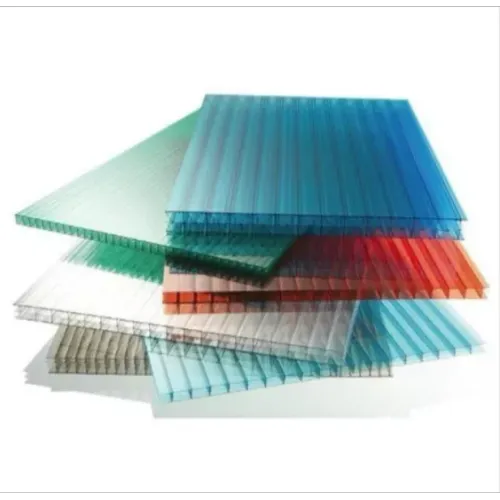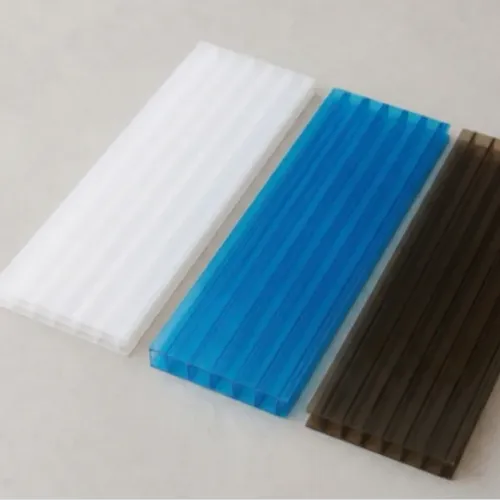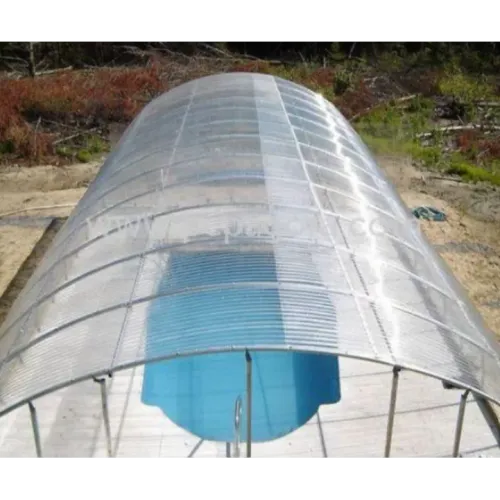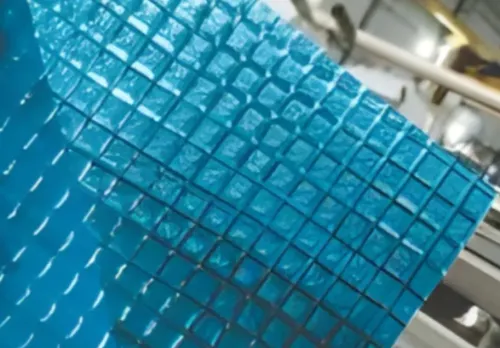
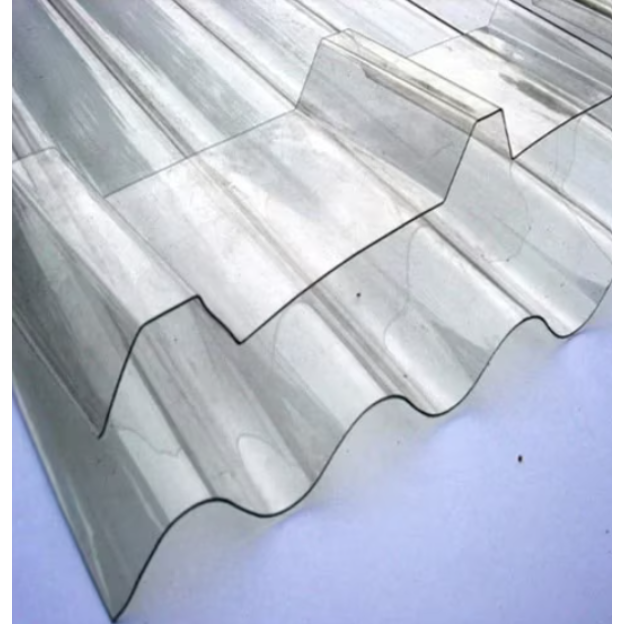
Corrugated sheets remain a familiar solution for industrial sheds, warehouses, workshops and other utility structures. When daylighting or specialised roofing requirements are involved, selecting the correct Fiber Corrugated Sheet becomes more than a matter of matching the approximate shape of an existing roof.
For industrial buyers, contractors and roofing professionals in Delhi, profile compatibility, application suitability and supply consistency should all be checked before placing an order.
Start by Identifying the Existing Roofing Profile
Corrugated roofing comes in different profiles.
If a translucent or replacement sheet needs to integrate with an existing roof, the profile should match sufficiently for the intended installation system.
Do not rely solely on a verbal description such as standard corrugated sheet.
Where possible, provide dimensions, drawings, profile details or a sample reference. This can reduce the risk of receiving material that does not align properly at overlaps.
Define Why the Sheet Is Being Installed
The intended function influences product selection.
A buyer may need corrugated sheets for
- Industrial roof daylighting
- Warehouse roofing
- Workshop sheds
- Covered utility areas
- Commercial structures
- Agricultural buildings
- Replacement roof sections
- Canopies
For daylighting applications, the required level of light transmission should also be considered.
Too little daylight may fail to achieve the project's objective, while uncontrolled bright light can produce glare in some working environments.
Check Dimensions Before Ordering
Measure the installation rather than estimating quantity from floor area alone.
Roof slope, overlaps, sheet length and cutting requirements can all affect material consumption.
Contractors should prepare a basic sheet layout where practical, especially for larger roofs. This can help determine the number of panels and reduce unnecessary cutting.
Evaluate Exterior Durability Requirements
Delhi's industrial roofing environment can be demanding.
High summer temperatures, sunlight, dust and monsoon conditions mean roofing materials should be chosen for their intended exterior exposure.
Buyers should request relevant product information rather than assuming that every corrugated translucent sheet has the same characteristics.
Check Compatibility With Fasteners and Supports
The supporting structure and fastening system play a major role in roof performance.
Fixing locations should be appropriate for the profile and sheet material. Over-tightening fasteners can create stress, while insufficient fixing can affect stability.
Suitable washers, sealing components and installation procedures should be used according to the roofing system.
Roof slope and water drainage should also be checked before installation begins.
Evaluate the Supplier's Project Capability
Industrial procurement often involves larger quantities and stricter schedules than small residential jobs.
Before choosing a supplier, evaluate
- Product specification clarity
- Available profiles
- Sheet dimensions
- Quantity availability
- Consistency across the order
- Packaging
- Delivery planning
- Ability to understand the application
Price remains important, but it should be compared only after confirming that suppliers are quoting a suitable and comparable product.
Plan Replacement Work Carefully
When sheets are being installed in an existing industrial roof, site conditions can be different from new construction.
Existing supports may need inspection, and old roofing dimensions should be verified before replacement sheets are ordered.
Roof work also involves significant safety risks. Installation and maintenance should be carried out with appropriate access systems and safety procedures, and sheets should never be treated as safe walking surfaces unless the roofing system is specifically designed and certified for that purpose.
Make Procurement Application-Specific
U Decor serves customers seeking sheet solutions for architectural, commercial and industrial projects in Delhi. When discussing a Fiber Corrugated Sheet requirement, providing the roof profile, dimensions, quantity and intended use allows the supplier to understand the project more accurately.
A roofing purchase should ultimately be judged by how well the material integrates with the complete structure. Checking profile compatibility, dimensions, exposure, fixing requirements and supply capability before ordering can help contractors reduce avoidable adjustments during installation and keep industrial roofing work aligned with the project plan.
Keywords