Introducing daylight into a building is not simply about choosing the most transparent roofing or glazing material. The way light spreads through a space can be equally important.
Strong concentrated daylight may create glare, bright patches, and uneven illumination. A PC Prism Sheet can be considered when a project requires light transmission combined with controlled diffusion.
For industrial, commercial, and architectural projects in Delhi, understanding these characteristics can help designers determine whether a prismatic surface is appropriate for the intended application.
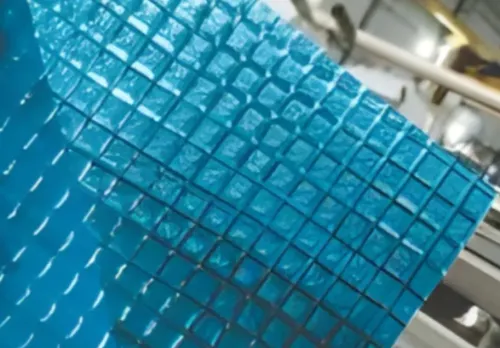
How a Prism Surface Changes Light
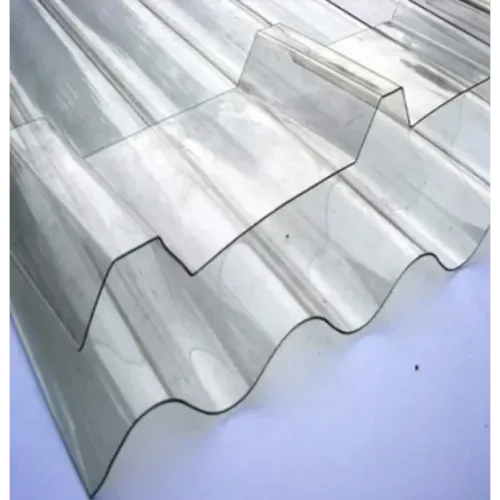
A conventional smooth transparent sheet allows relatively direct transmission of light. A prismatic surface interacts with incoming light differently.
Its patterned geometry can scatter and redistribute light rather than allowing it to pass through in a completely direct manner.
The resulting effect depends on factors including:
- Prism pattern
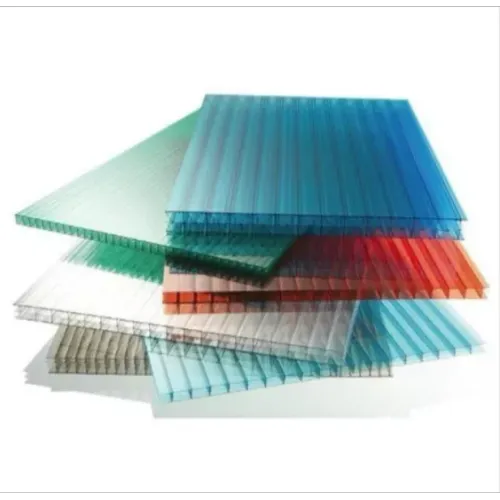
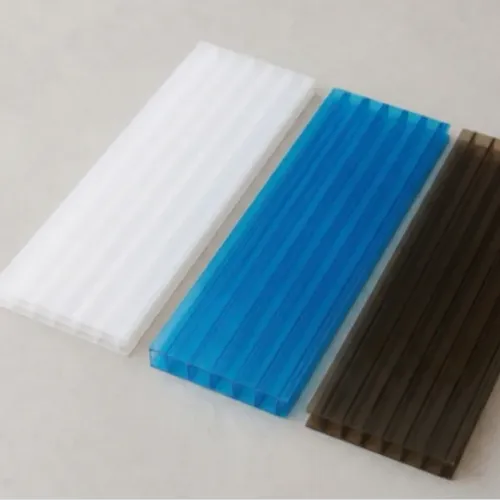
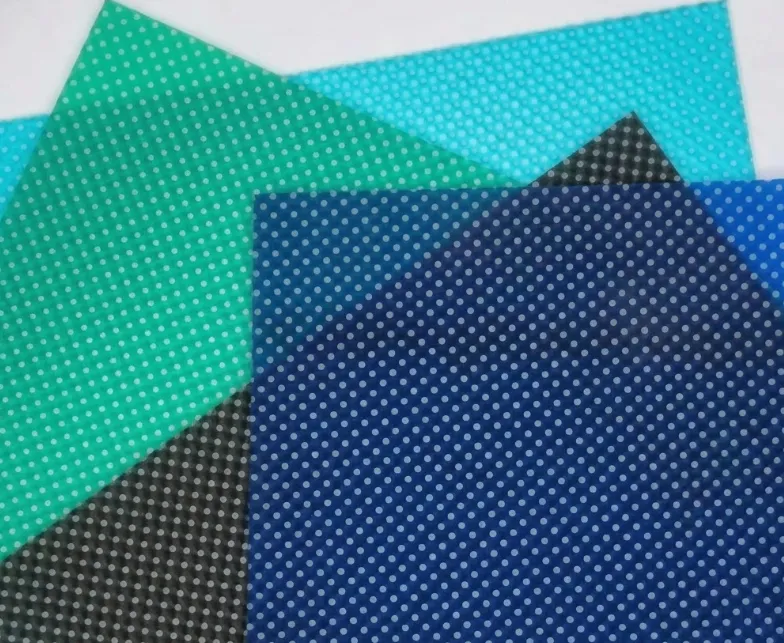
- Sheet colour
- Sheet thickness
- Light source
- Installation angle
- Building orientation
- Time of day
This means PC Prism Sheet should be selected according to actual daylighting requirements rather than appearance alone.
Where Diffused Daylight Can Be Useful
Large commercial and industrial spaces often require substantial illumination during operating hours.
Introducing daylight through roofing or glazing can help brighten interior areas, but poorly controlled sunlight may create uncomfortable contrasts.
Prismatic sheets may be considered for applications such as:
- Industrial daylighting
- Commercial roofing
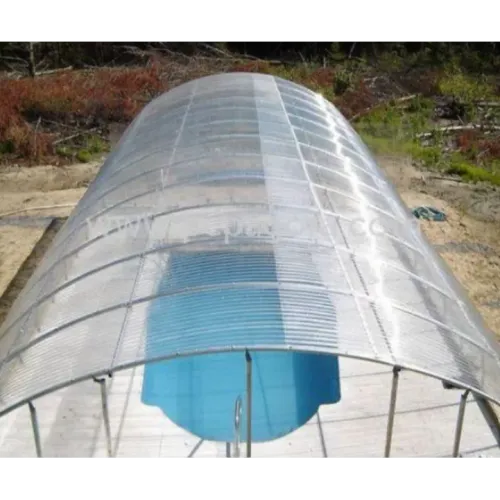
- Skylights
- Covered walkways
- Architectural glazing
- Canopies
- Interior light-diffusing panels
- Selected façade elements
The objective is typically to achieve useful illumination without relying exclusively on completely clear glazing.
Consider Glare Before Choosing Transparency
A common mistake in daylighting projects is assuming that maximum transparency automatically produces the best result.
In reality, clear sunlight entering a workspace can create glare on screens, machinery, polished surfaces, or work areas.
Diffusion can help distribute incoming light more broadly.
For architects designing commercial spaces in Delhi, the direction of sunlight and building orientation should therefore be considered alongside sheet transparency.
A sample installation can help demonstrate how the material performs under actual daylight conditions.
Light Transmission Is Only One Specification
When comparing sheets, buyers often focus heavily on light transmission percentages.
That figure is important, but it should not be considered alone.
A project may also need to evaluate:
- Impact resistance
- UV protection
- Sheet dimensions
- Thickness
- Surface structure
- Thermal expansion
- Supporting frame requirements
- Weather exposure
The best material is the one that balances these requirements for the intended application.
Outdoor Exposure Requires UV Consideration
Exterior polycarbonate sheets can be exposed to strong sunlight for long periods.
For Delhi installations, where summer solar exposure can be intense, buyers should verify whether the selected PC Prism Sheet includes appropriate UV protection for outdoor use.
It is also important to install the sheet in the correct orientation when UV protection is provided on a designated surface.
Removing protective film at the correct stage of installation and following manufacturer instructions can further help protect the finished surface.
Installation Can Affect Performance
A high-quality sheet cannot compensate for poor installation.
Polycarbonate expands and contracts as temperatures change. Fixing arrangements should therefore provide suitable allowance for movement.
Contractors should pay attention to:
- Supporting frame spacing
- Fastener positioning
- Hole clearance where required
- Compatible washers
- Suitable profiles
- Drainage
- Sealing details
Over-tightening fasteners can restrict movement and place unnecessary stress on the sheet.
Compare the Material Under Real Conditions
When a project depends heavily on lighting quality, reviewing a physical sample can be valuable.
Place the sample in a position similar to the intended installation and observe how daylight passes through it at different times.
This can help architects assess whether the prism effect provides the desired balance between brightness and diffusion.
For larger commercial projects, mock-ups can be particularly helpful.
Match the Sheet to the Lighting Objective
The key question is not simply whether a PC Prism Sheet is attractive. It is whether its optical characteristics solve the lighting requirement of the building.
Industrial buildings may prioritize evenly distributed daylight. Commercial spaces may require visual comfort. Architectural projects may need a combination of illumination and surface texture.
U Decor supports polycarbonate sheet requirements for construction and architectural applications in Delhi. Sharing the intended application, required dimensions, lighting objective, and exposure conditions can help buyers assess the appropriate sheet specification.
Careful selection allows prismatic polycarbonate to function as part of a broader daylighting strategy rather than simply as another transparent building panel.
Keywords