Choosing the right roofing material is one of the most important decisions in any construction project. Whether you are designing an industrial facility, commercial building, warehouse, educational institution, or residential extension, the roofing system affects durability, energy efficiency, maintenance requirements, and overall project costs. As building technologies continue to evolve, many architects, contractors, and developers are exploring alternatives to conventional roofing materials. Among these, the Honeycomb Multiwall Sheet has gained attention for its combination of strength, insulation, and modern aesthetics.
Traditional roofing materials such as metal sheets, asbestos alternatives, fibre cement boards, and glass continue to be used in many projects. However, each material comes with its own advantages and limitations. Understanding how honeycomb multiwall sheets compare can help project planners make informed decisions based on functionality rather than habit.
Understanding Honeycomb Multiwall Sheets
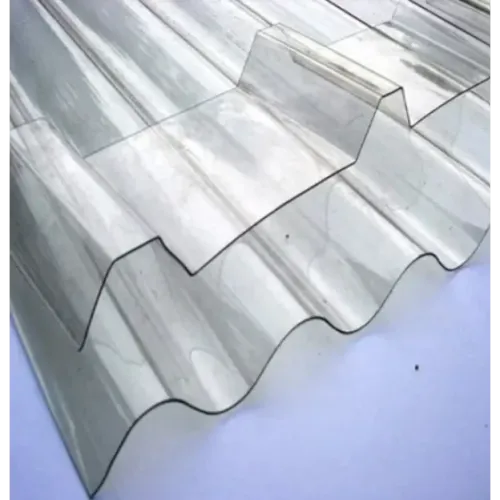
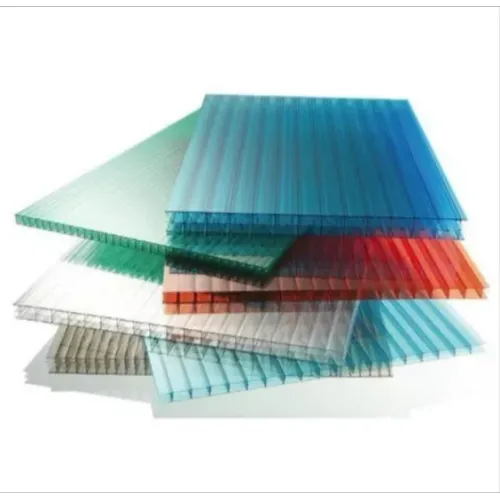
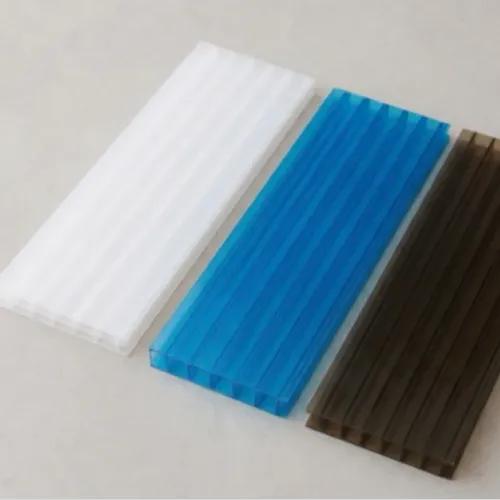
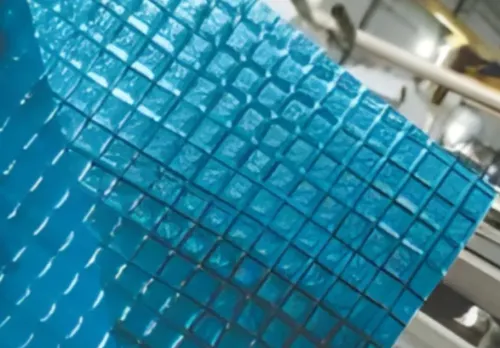
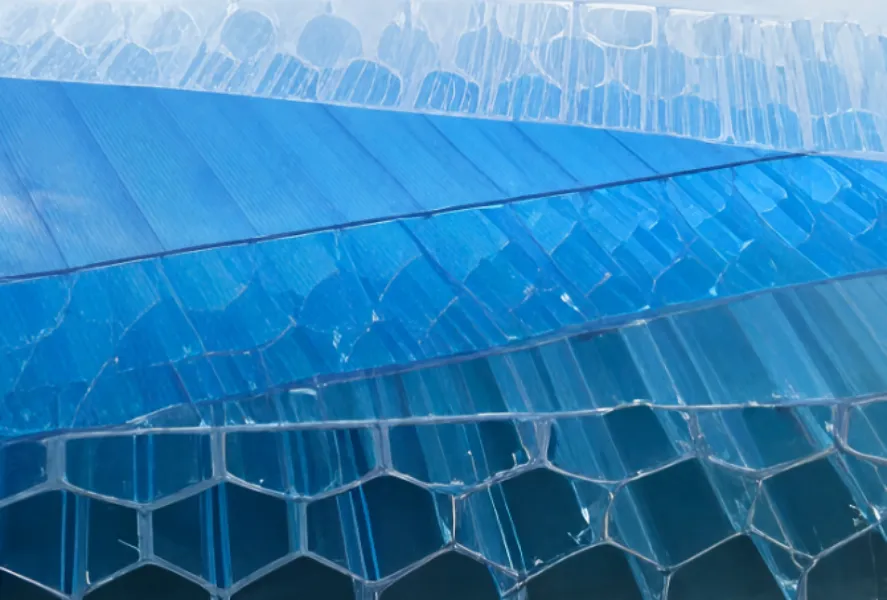
Honeycomb multiwall sheets are manufactured from high-quality polycarbonate and feature a unique internal honeycomb structure. Unlike standard multiwall sheets, the additional internal support network improves rigidity while maintaining a lightweight design. This structure also enhances thermal insulation and helps distribute loads more effectively.
These sheets are designed for projects that require natural daylight, weather resistance, and long-term structural performance without significantly increasing the weight of the roof.
Comparing Honeycomb Multiwall Sheets with Conventional Roofing Materials
Rather than assuming one material is universally better, it is useful to compare them across the factors that matter most during construction.
Weight
Traditional roofing materials such as concrete panels or fibre cement sheets are considerably heavier, requiring stronger support structures and often increasing installation complexity.
Honeycomb multiwall sheets are lightweight, making transportation, handling, and installation easier. Their reduced weight may also lower structural load requirements, particularly in large commercial or industrial projects.
Natural Light
Metal roofing completely blocks daylight, while glass allows maximum light but can create excessive heat and glare.
Honeycomb multiwall sheets strike a practical balance by transmitting natural light while diffusing it more evenly. This creates brighter interiors without the harsh glare commonly associated with transparent roofing.
Thermal Performance
Temperature control is a significant concern for warehouses, factories, and commercial spaces, especially in regions like Delhi where summers can be extremely hot.
The multiwall construction creates insulating air chambers that help reduce heat transfer. Compared to single-layer materials, this can contribute to a more comfortable indoor environment and reduce reliance on artificial cooling during certain periods.
Impact Resistance
Glass is visually appealing but prone to breakage under impact. Metal roofing can dent, while some conventional roofing sheets may crack over time.
Polycarbonate honeycomb sheets are known for their high impact resistance, making them suitable for areas exposed to hail, falling debris, or demanding weather conditions.
Maintenance
Many traditional roofing systems require periodic repairs, repainting, or replacement of damaged sections.
Honeycomb multiwall sheets generally require routine cleaning and periodic inspections. Their corrosion-resistant nature makes them suitable for long-term outdoor use when properly installed.
Where Honeycomb Multiwall Sheets Perform Best
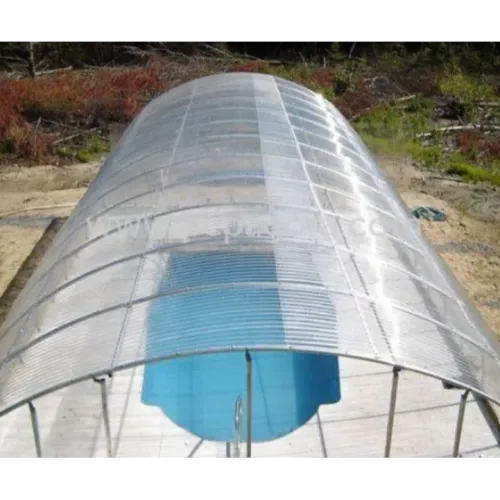
The versatility of these sheets allows them to be used in a wide variety of construction projects.
Common applications include:
- Industrial warehouses
- Manufacturing facilities
- Commercial buildings
- Shopping centres
- Greenhouses
- Skylights
- Walkway covers
- Parking structures
- Educational campuses
- Sports complexes
- Residential pergolas
- Factory roofing
Their combination of light transmission and durability makes them suitable for projects where both functionality and appearance are important.
Why They Are Becoming Popular in Delhi
Construction projects across Delhi increasingly focus on energy efficiency, modern architectural design, and practical building materials that perform well in changing weather conditions.
Honeycomb multiwall sheets align with these requirements by providing:
- Improved daylight utilisation
- Better insulation performance
- Reduced roof weight
- Modern architectural aesthetics
- Long-term weather resistance
- Faster installation compared to many traditional roofing systems
For commercial developments and industrial facilities where operational efficiency matters, these advantages can contribute to smoother project execution and improved building performance.
Factors to Evaluate Before Making a Choice
Every construction project has different priorities. Before selecting a roofing material, it is helpful to assess several practical considerations.
Building Purpose
A warehouse, greenhouse, office building, and retail outlet all have different lighting and insulation requirements.
Structural Design
Roof span, support spacing, and load-bearing capacity influence material selection.
Climate Conditions
Buildings in regions with high temperatures, seasonal rainfall, or prolonged sun exposure should use roofing materials designed for those environmental conditions.
Maintenance Expectations
Some materials require frequent upkeep, while others are designed for relatively low maintenance over their lifespan.
Budget Over the Project Life Cycle
Initial purchase cost is only one factor. Installation, maintenance, durability, and replacement frequency should also be considered when evaluating overall value.
Installation Matters as Much as Material Quality
Even a high-quality roofing sheet may not deliver its expected performance if installation is carried out incorrectly.
Professional installation should include:
- Correct support spacing.
- Proper expansion allowances for thermal movement.
- Suitable sealing systems.
- Manufacturer-recommended fastening methods.
- Correct sheet orientation for UV protection.
- Careful handling to prevent unnecessary surface damage.
Following these practices helps maximise both durability and appearance.
Selecting a Reliable Manufacturer
The long-term performance of any roofing system depends not only on the material itself but also on manufacturing quality and technical support. Buyers should look for manufacturers that provide consistent product specifications, dependable quality control, and guidance for selecting sheets based on project requirements.
For architects, builders, contractors, and developers working across Delhi and surrounding regions, U Decor offers a range of polycarbonate roofing solutions, including Honeycomb Multiwall Sheets designed for modern commercial, industrial, and architectural applications. Choosing a roofing material that matches the building's functional needs can help create structures that remain efficient, durable, and visually appealing for years to come.
Keywords