Modern architectural projects increasingly use materials that serve more than one purpose. A panel may need to transmit light, provide visual separation, withstand everyday impact, remain relatively lightweight, and contribute to the overall appearance of a space. A PC Diamond Sheet can meet several of these requirements through its distinctive patterned surface.
For architects, interior designers, builders, and contractors in Delhi, understanding where diamond-pattern polycarbonate works best can help avoid using plain transparent materials in applications where privacy, diffusion, or decorative texture is more important.
What Makes the Diamond Pattern Different
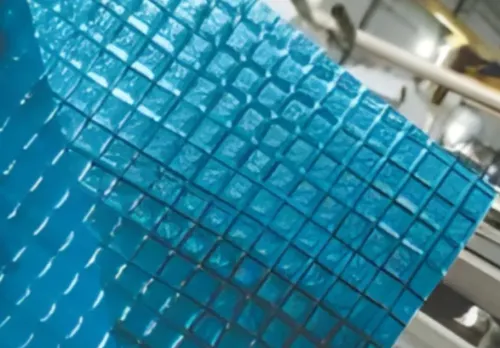
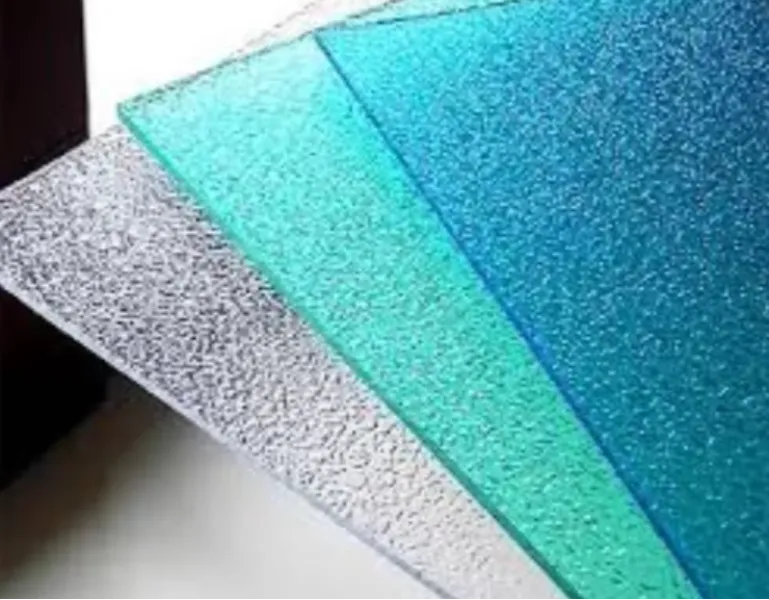
A PC Diamond Sheet features a textured surface designed to create a characteristic visual pattern. Rather than allowing completely uninterrupted visibility through the panel, the surface modifies how light and objects are perceived.
This makes the material particularly relevant where designers want brightness without complete transparency.
The textured finish can also create a more decorative appearance than conventional smooth polycarbonate.
Where Diamond Sheets Can Be Used
The suitability of the material depends on sheet specification, thickness, supporting structure, and whether the application is indoors or outdoors.
Common possibilities include:
- Interior partitions
- Decorative wall panels
- Office dividers
- Privacy screens
- Commercial interiors
- Architectural glazing elements
- Display structures
- Covered areas
- Selected façade features
- Utility partitions
For interiors, the patterned surface can become part of the design rather than simply functioning as a barrier.
Light Diffusion Can Improve Privacy
One of the most practical reasons to consider diamond-pattern polycarbonate is the balance between daylight and visual screening.
A completely opaque partition blocks visibility but can also reduce the flow of light between spaces. Clear glazing allows light through but may provide little privacy.
A textured sheet provides an intermediate solution.
This can be useful in offices, commercial properties, reception spaces, internal corridors, and other areas where maintaining brightness is important.
The actual level of privacy will depend on the specific pattern, colour, thickness, lighting, and distance between the viewer and the sheet.
Consider the Viewing Distance
Patterned sheets can look different depending on where they are installed.
A surface viewed from a few centimetres away may appear very different when seen across a room or from outside a building.
Architects should therefore consider the expected viewing distance when selecting decorative sheets.
For larger installations, examining a physical sample under realistic lighting conditions can be more useful than making a decision from a small photograph.
Thickness Should Match Panel Size
A decorative finish does not eliminate structural considerations.
Larger panels, exposed installations, and applications with wider support spacing may require different thicknesses from small interior partitions.
Before purchasing, contractors should consider:
- Overall panel dimensions
- Supporting frame spacing
- Indoor or outdoor installation
- Expected physical contact
- Wind exposure where applicable
- Fixing method
- Required visual appearance
Choosing only according to pattern can lead to an unsuitable specification.
Outdoor Applications Need Additional Checks
Delhi's exterior conditions include intense summer sunlight, heat, dust, seasonal rain, and considerable temperature variation.
If a PC Diamond Sheet is intended for outdoor use, buyers should confirm whether the selected product has appropriate UV protection.
Installation should also allow for thermal expansion. Polycarbonate changes dimension with temperature, so rigid fixing without adequate clearance can create unnecessary stress.
Correct washers, profiles, clearances, and compatible accessories can help the installation accommodate movement.
Maintenance Influences Long-Term Appearance
Textured surfaces should be cleaned using methods appropriate for polycarbonate.
Abrasive materials and aggressive cleaning chemicals may damage the surface. Gentle cleaning with suitable solutions and soft materials is generally preferable.
In Delhi, where dust accumulation can be significant, maintenance access should be considered when specifying panels for high or difficult-to-reach areas.
Evaluate Samples Before Large Orders
Colour, texture, light diffusion, and privacy can be difficult to judge from specifications alone.
For significant architectural projects, reviewing samples before final selection is useful. Designers can position the sample against natural and artificial light and observe how the pattern behaves from different angles.
This simple step can prevent a mismatch between design expectations and the installed result.
U Decor works with polycarbonate sheet requirements for architectural, interior, commercial, and construction projects in Delhi. Providing details about the application, dimensions, finish, exposure conditions, and required level of transparency can make product selection more accurate.
A PC Diamond Sheet is most effective when the patterned finish has a clear purpose. When texture, light diffusion, privacy, and durability are considered together, the material can provide both functional and visual value.
Keywords