Choosing the right material for roofing, partitions, façades, skylights, and industrial structures requires more than comparing appearance and price. Strength, light transmission, weight, weather resistance, installation requirements, and long-term maintenance all influence whether a material will perform effectively.
A Polycarbonate Sheet has become a practical material for projects where designers need a combination of durability and design flexibility. In Delhi, architects, contractors, builders, and commercial property developers increasingly evaluate polycarbonate for applications where conventional glass or opaque roofing materials may not provide the desired balance of performance and usability.
What Makes Polycarbonate Different
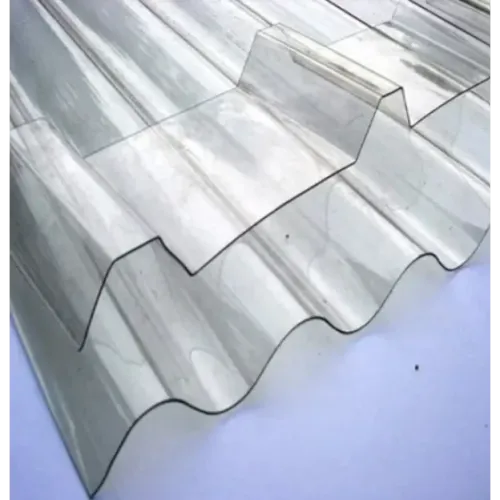
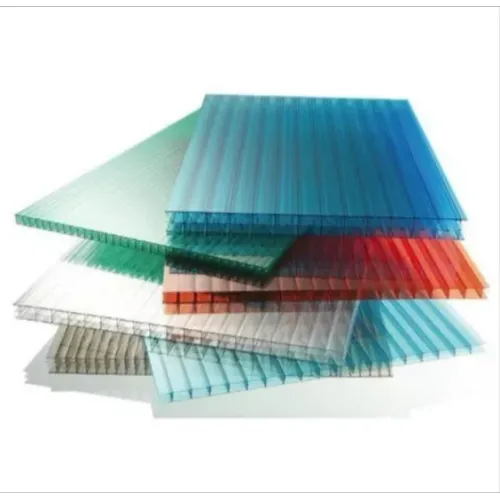
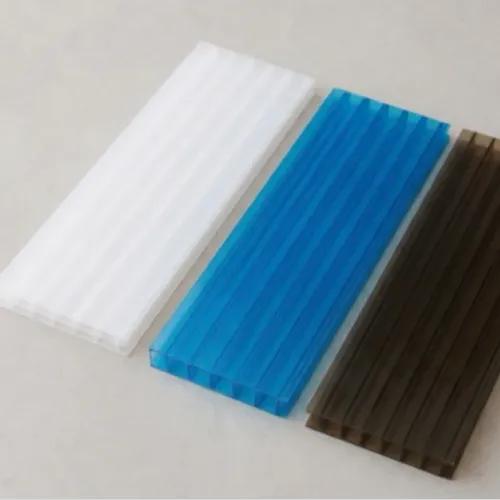
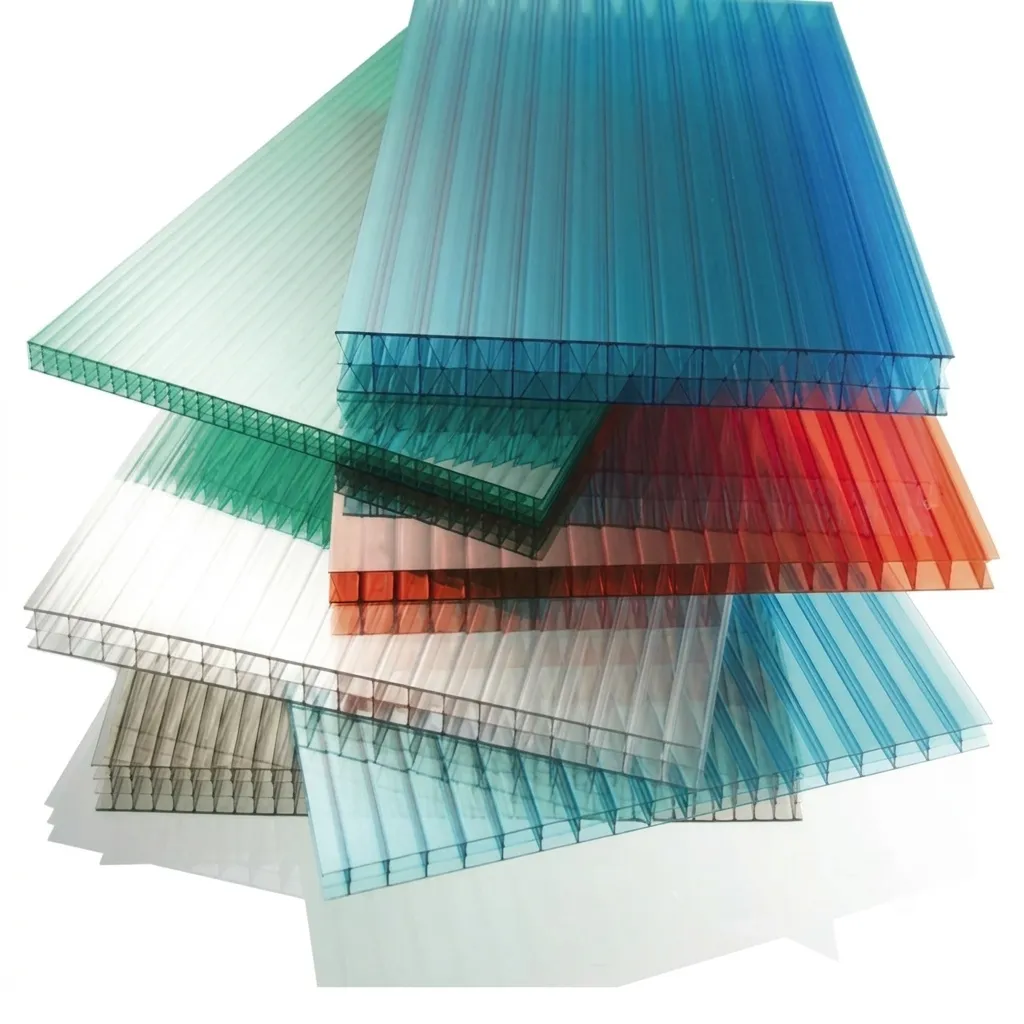
Polycarbonate is a thermoplastic material known for its high impact resistance. It can be manufactured in different thicknesses, structures, surface finishes, colours, and transparency levels depending on the intended application.
Unlike traditional glazing materials, polycarbonate is comparatively lightweight. This can simplify transportation, handling, structural planning, and installation.
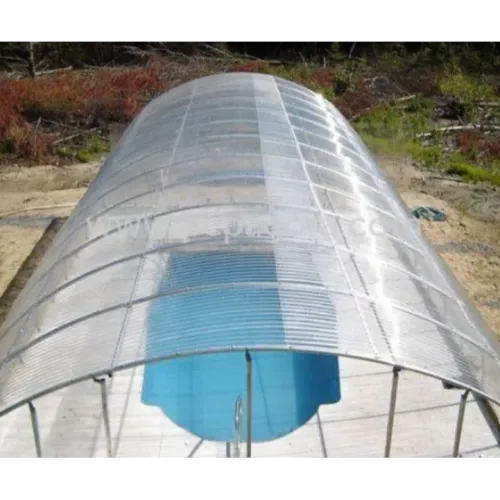
Its versatility makes it suitable for projects such as:
- Skylights and daylighting systems
- Covered walkways
- Canopies and entrance structures
- Industrial roofing
- Commercial partitions
- Façade elements
- Parking shelters
- Architectural features
- Greenhouses
- Interior decorative applications
The correct sheet specification depends heavily on where and how the material will be used.
Light Transmission Can Support Better Spaces
One of the biggest reasons architects consider polycarbonate is its ability to introduce natural light while maintaining physical protection.
Transparent and translucent variants can be selected according to the amount and quality of daylight required. This makes the material particularly useful for covered spaces that should remain bright during daytime hours.
For commercial and industrial properties in Delhi, thoughtful daylighting can reduce dependence on artificial lighting during suitable daytime conditions.
However, maximum transparency is not always desirable. Warehouses, factories, commercial entrances, and architectural façades may benefit from diffused light instead.
This is why sheet colour, surface finish, structure, and light transmission characteristics should be evaluated before finalizing a specification.
Impact Resistance Matters in Demanding Applications
Roofing and glazing materials can face accidental impact during transportation, installation, maintenance, and everyday use.
Polycarbonate is valued for applications where impact resistance is an important consideration. This characteristic makes it useful for exposed architectural areas, industrial environments, protective installations, and high-traffic spaces.
The required thickness should still be selected according to structural requirements rather than assuming every polycarbonate product provides identical performance.
Lightweight Construction Offers Practical Advantages
Material weight affects more than transportation.
Heavy glazing and roofing systems can require stronger supporting structures and additional handling arrangements. A lightweight sheet can simplify certain aspects of installation and reduce unnecessary structural loading.
This can be particularly valuable when working on:
- Large roofing areas
- Renovation projects
- Elevated installations
- Canopies
- Temporary structures
- Industrial buildings
Contractors should nevertheless evaluate support spacing, fixing methods, wind conditions, sheet thickness, and manufacturer recommendations before installation.
Weather Conditions Should Influence Selection
Delhi experiences intense summer heat, seasonal rainfall, dust, and significant temperature variations. Exterior building materials therefore need to be selected with local environmental conditions in mind.
For outdoor polycarbonate installations, buyers should evaluate UV protection, thermal expansion, sealing systems, sheet orientation, and appropriate accessories.
Polycarbonate expands and contracts as temperatures change. Ignoring this movement during installation can create unnecessary stress around fixing points.
Allowing suitable expansion clearance is therefore an important part of good installation practice.
Correct Installation Protects Performance
Even a suitable material can perform poorly when installed incorrectly.
Common installation considerations include:
- Maintaining recommended support spacing
- Providing allowance for thermal movement
- Using compatible fasteners and washers
- Avoiding excessive tightening
- Following correct sheet orientation
- Using suitable sealing accessories
- Protecting the surface during installation
The specific requirements depend on sheet type, thickness, dimensions, and application.
Think Beyond Initial Purchase Price
The cheapest sheet is not necessarily the most economical option for a project.
Architects and contractors should consider the complete application, including structural requirements, expected service conditions, maintenance, installation complexity, and desired appearance.
A properly specified Polycarbonate Sheet can provide a practical combination of daylighting, durability, lightweight construction, and architectural flexibility.
For buyers in Delhi, working with an experienced supplier can also make specification easier. U Decor works with polycarbonate sheet requirements for architectural, commercial, industrial, and construction applications.
Before ordering, buyers should clearly communicate the application, dimensions, thickness expectations, transparency requirements, exposure conditions, and approximate quantity. This allows the material to be evaluated according to the project rather than selected solely from a catalogue.
Keywords