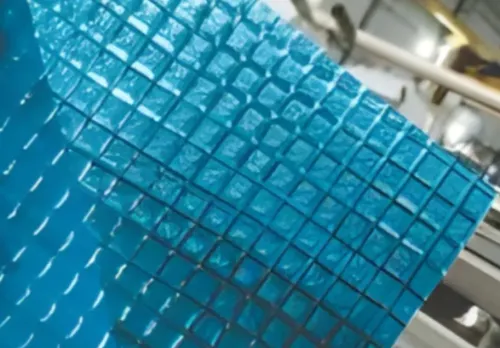

Large roofing projects create a demanding combination of requirements. The material may need to cover substantial areas, transmit useful daylight, remain manageable during installation, provide structural efficiency, and perform under changing outdoor conditions.
A Honeycomb Multiwall Sheet can be considered where a more complex internal polycarbonate structure is required for architectural or roofing applications.
For construction companies, builders, contractors, architects, and commercial property developers in Delhi, selecting the right honeycomb multiwall specification requires a careful review of the entire roofing system.
Understand the Internal Structure First
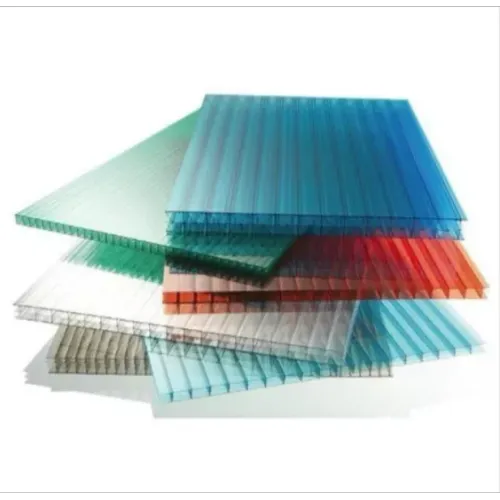
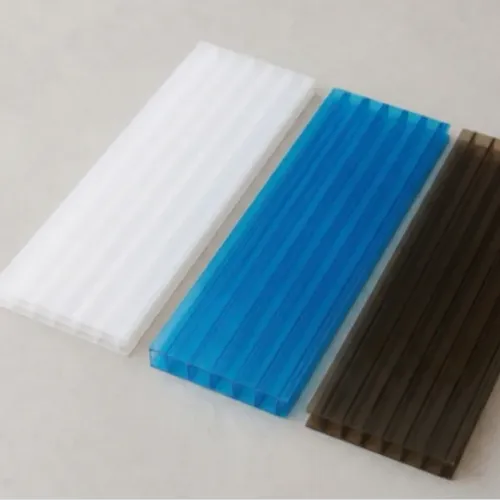
Multiwall polycarbonate sheets contain internal ribs and chambers rather than a completely solid cross-section.
Honeycomb-style configurations use a more complex internal geometry designed to create multiple cells within the sheet.
This structure can influence stiffness, weight, thermal behaviour, and light transmission.
However, specifications vary between products. Buyers should review technical data for the exact sheet being considered rather than making assumptions based only on the honeycomb description.
Large Roofs Need System-Level Planning
A roofing sheet is only one component of a large installation.
Before procurement, designers should evaluate:
- Structural framework
- Support spacing
- Roof slope
- Wind conditions
- Panel dimensions
- Drainage
- Fastening system
- Expansion allowance
- Joining profiles
- Edge treatment
Ignoring any of these areas can affect the performance of the completed roof.
Daylighting Requirements Should Be Quantified
Large industrial and commercial roofs can benefit from natural daylight, but simply maximizing transparent area may not produce the best working environment.
Too much direct sunlight can create glare and localized heat.
Designers should consider how daylight will be distributed across the interior. Sheet colour, transparency, internal structure, roof orientation, and percentage of daylighting area can all influence the result.
For industrial properties in Delhi, the goal should be useful illumination rather than maximum transparency.
Evaluate Thermal Requirements
The multiple internal chambers of a Honeycomb Multiwall Sheet can influence heat transfer through the panel.
This may make the material relevant where designers want daylight alongside improved thermal characteristics compared with simpler sheet structures.
Actual performance should be verified through technical specifications.
For projects where indoor temperature control is important, architects should evaluate the roofing material as part of the complete building envelope.
Check UV Protection for Exterior Roofing
Large roofs remain exposed to sunlight for extended periods.
Delhi's climate makes UV protection a significant consideration when choosing exterior polycarbonate.
Confirm whether the selected sheet is intended for outdoor exposure and identify the UV-protected side where applicable.
Installation orientation should follow the product specification.
Account for Expansion Across Long Panels
Thermal expansion becomes particularly important with longer sheet lengths.
A small dimensional change per unit length can become more significant across a long roofing panel.
Fixing systems should therefore provide appropriate allowance for movement.
Contractors should avoid rigid fastening arrangements that prevent the sheet from expanding and contracting naturally.
Profiles, washers, fixing holes, and panel clearances should be selected according to the system requirements.
Plan Channel Orientation and Edge Protection
Multiwall sheets contain internal channels that need correct orientation and edge treatment.
For sloped roofs, channel direction generally needs to support drainage and condensation management.
Exposed ends should also be protected using suitable closure systems.
Poor sealing can allow dust, insects, and moisture into the internal structure, affecting appearance over time.
Calculate Material Utilization Before Ordering
Large projects can generate substantial waste if sheet dimensions are not planned carefully.
Instead of purchasing material based solely on total roof area, develop a panel layout.
Calculate:
- Individual panel dimensions
- Number of panels
- Joint positions
- Cutting requirements
- Overlap or profile requirements
- Expected wastage
- Accessories required
An efficient layout can reduce material waste and simplify installation.
Evaluate the Supplier's Specification Support
For large roofing projects, supplier selection should involve more than comparing quotations.
Buyers should determine whether the provider can discuss available dimensions, thickness options, sheet characteristics, application suitability, accessories, and quantity planning.
Clear communication is particularly important when material is being ordered for a large commercial or industrial project.
U Decor serves polycarbonate sheet requirements for construction and architectural applications in Delhi. Project teams can discuss dimensions, quantities, installation conditions, desired light transmission, and intended use before finalizing the material.
Honeycomb Multiwall Sheet can be valuable when its internal structure aligns with the project's roofing, daylighting, and thermal requirements. A successful selection depends on combining the right sheet specification with appropriate framing, drainage, fixing, expansion allowance, and installation practices.
Keywords