Choosing between a PC Compact Sheet and a multiwall polycarbonate panel is not simply a question of which material is stronger or more expensive. The two sheet types have different constructions and are suited to different architectural requirements.
For contractors, architects and fabricators in Delhi, understanding these differences can prevent overspecification as well as the use of an unsuitable sheet.
Start With the Structural Difference
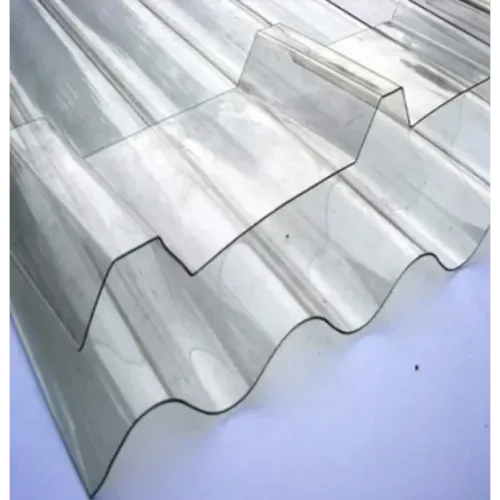
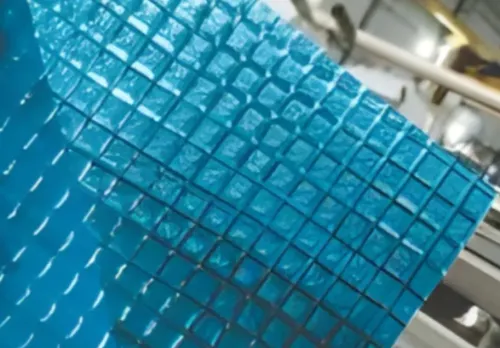
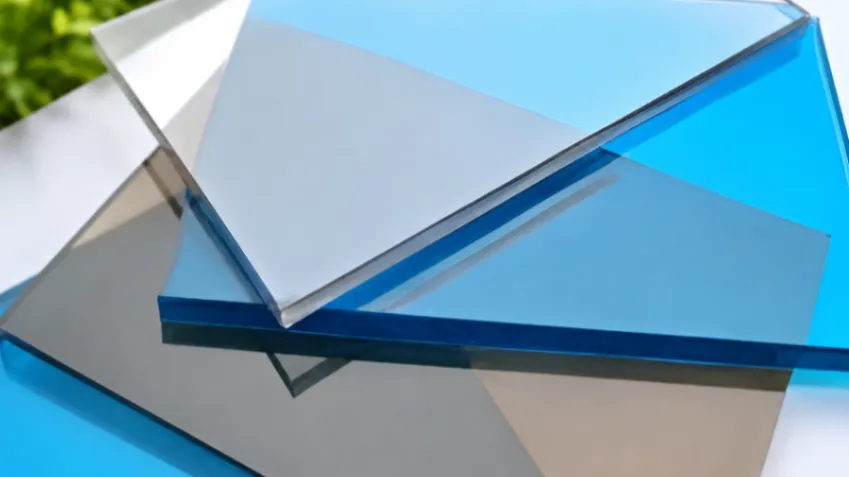
A compact polycarbonate sheet is solid throughout its thickness. It provides a continuous transparent or translucent surface without hollow internal chambers.
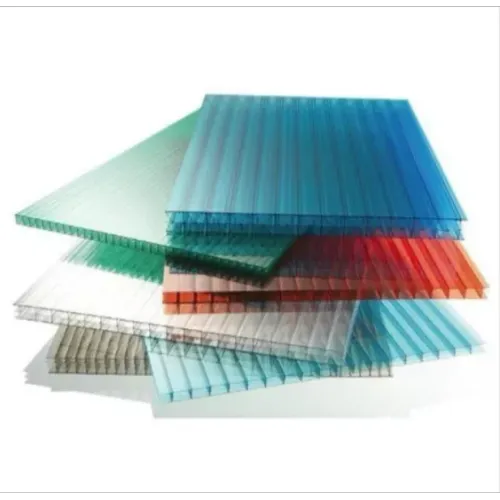
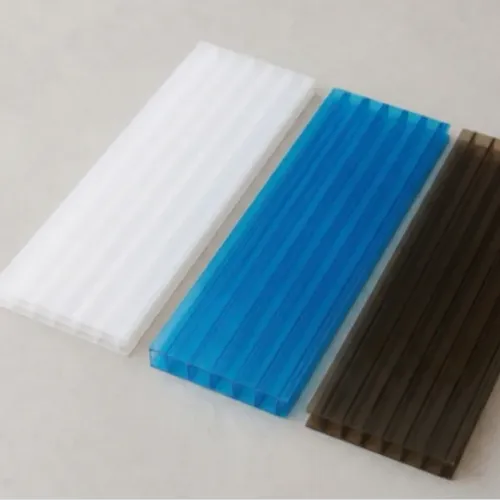
Multiwall polycarbonate contains internal cavities separated by ribs.
This difference affects weight, transparency, insulation, appearance and the way each sheet behaves in a finished structure.
When Does PC Compact Sheet Make Sense?
Compact sheets can be useful where clear visibility and a solid glazing appearance are priorities.
Depending on the specification, applications may include
- Machine guards
- Protective screens
- Transparent partitions
- Architectural glazing
- Canopies
- Covered entrances
- Fabricated panels
- Selected façade elements
Its solid construction can provide a glass-like visual character while retaining the impact-resistant nature of polycarbonate.
When Is Multiwall Sheet More Appropriate?
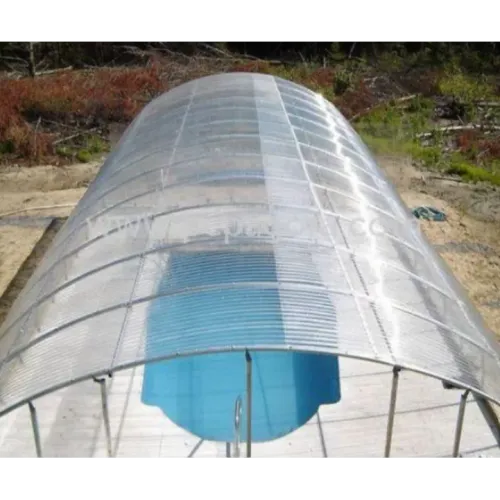
Multiwall sheets are often considered where lightweight roofing, daylighting and improved thermal characteristics are important.
Typical applications include skylights, roofing systems, greenhouses and covered passages.
The hollow structure reduces material weight and creates insulating air chambers. However, the visible internal ribs mean the aesthetic is different from a clear compact panel.
Compare the Requirements, Not Just the Price
A useful comparison should consider several factors.
Transparency Compact sheets can provide clearer visibility when a transparent grade is selected. Multiwall sheets have visible ribs and therefore create a different visual effect.
Insulation Multiwall construction can provide better thermal insulation because of the enclosed air spaces.
Weight Both are lighter than many traditional glazing alternatives, but multiwall structures are designed to achieve stiffness using less solid material.
Appearance Compact sheets offer a cleaner continuous surface. Multiwall panels have a more architectural or technical appearance.
Application Protective screens and transparent barriers may favour compact sheets, while daylighting roofs may benefit from multiwall construction.
Thickness Alone Is Not a Complete Specification
Buyers sometimes compare products purely by millimetres.
That can be misleading.
A compact sheet and a multiwall panel of the same nominal thickness do not have the same internal structure. Their performance should therefore be evaluated using the relevant technical information for the particular application.
For roofing, factors such as span, support spacing, wind conditions and installation system should be considered.
Outdoor Installations Need UV Consideration
Delhi's strong sunlight makes outdoor material specification particularly important.
Where sheets will be continuously exposed to sunlight, buyers should confirm whether the selected product provides appropriate UV protection for the intended use.
Thermal expansion also needs to be accommodated. Polycarbonate moves as temperature changes, so fixing systems should not restrict the material excessively.
Decide by Asking Five Practical Questions
Before selecting a sheet, determine
- Is clear visibility necessary?
- Is thermal insulation important?
- Will the sheet be used indoors or outdoors?
- What loads and spans must the system accommodate?
- What finished appearance does the architect require?
These answers usually make the choice much clearer.
U Decor works with customers in Delhi seeking polycarbonate sheets for architectural, industrial and fabrication applications. Rather than treating PC Compact Sheet and multiwall panels as interchangeable products, buyers can achieve better results by selecting according to the actual function of the installation.
The best sheet is not automatically the thickest or most transparent option. It is the one whose structure, optical properties and installation requirements align with the project.
Keywords