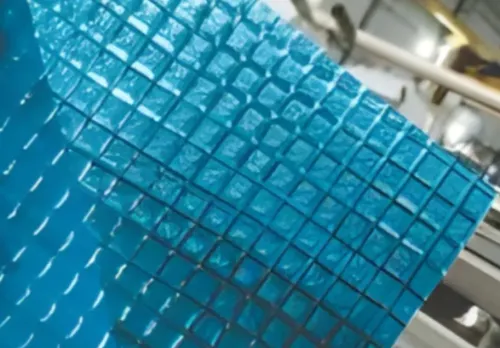
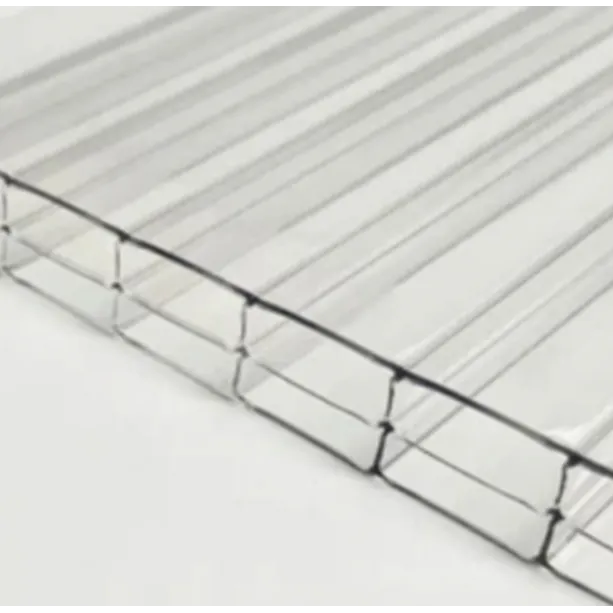
A PC Opal White Sheet is often considered when a project needs natural or artificial light to pass through a surface without creating the clear visibility associated with transparent glazing. Its milky appearance helps diffuse light, making it useful for architectural, commercial and interior applications.
For Delhi projects, however, selecting an opal sheet based only on colour can lead to disappointing results. Buyers should evaluate how the material will actually perform in the intended space.
Understand What Opal White Means for the Design
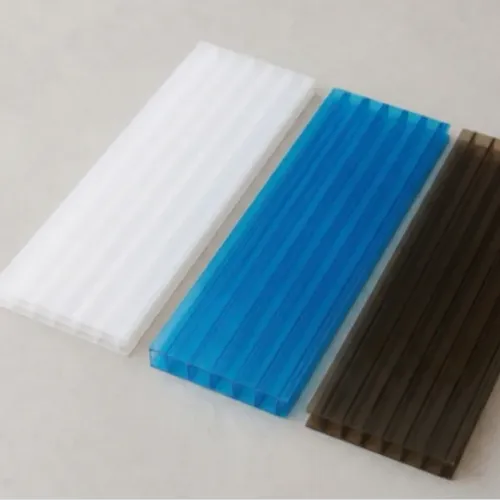
Opal white polycarbonate is translucent rather than completely transparent.
It allows light transmission while reducing direct visibility through the panel. The visual effect can range from softly translucent to more opaque depending on the particular grade, thickness and formulation.
This can make it useful for applications such as
- Diffused skylights
- Interior partitions
- Ceiling features
- Decorative panels
- Canopies
- Privacy screens
- Commercial lighting elements
- Architectural cladding features
Check Light Transmission Before Buying
Two sheets that both appear white may transmit different amounts of light.
For daylighting applications, this difference matters. A highly diffusing panel may create soft illumination but transmit less visible light than another option.
Buyers should therefore avoid making decisions from colour samples alone.
Ask for relevant product information and, where possible, evaluate a physical sample under natural light.
Consider the Balance Between Privacy and Illumination
One reason designers specify opal polycarbonate is to combine privacy with brightness.
For example, an interior partition may need to separate two areas without creating a dark enclosed room. A translucent sheet can allow ambient light to pass while limiting direct visibility.
The same principle can apply to roof-light systems where a designer wants daylight without a completely transparent view of the sky.
Avoid Assuming That White Automatically Means Cooler
An opal appearance may reduce visual glare and change light transmission, but thermal performance depends on more than visible colour.
For roofs and exterior panels, consider the complete product specification, sheet structure and building design.
Ventilation, orientation, insulation and the amount of exposed glazing all influence the thermal experience inside a space.
Verify Exterior Suitability
When the material will be installed outdoors in Delhi, exposure becomes a major consideration.
Buyers should check
- UV protection
- Sheet thickness
- Weather suitability
- Recommended support spacing
- Expansion allowance
- Fastening method
- Sealing details
- Surface orientation where applicable
Strong summer sunlight and significant temperature variation make proper specification and installation particularly important in the Delhi region.
Review the Supporting Structure
A polycarbonate sheet should not be selected independently from its frame.
The supporting structure determines panel dimensions, span and fixing points. For roofing applications, slope and drainage also matter.
Fabricators should confirm the recommended installation details before preparing the framework. Designing the frame first and trying to force an unsuitable sheet into it later can create unnecessary complications.
Ask for a Sample When Appearance Is Important
For decorative applications, samples can prevent misunderstandings.
Place the sample against the actual background and observe it in daylight and artificial light. A white translucent sheet can appear quite different depending on what sits behind it and how strongly it is illuminated.
U Decor supplies polycarbonate sheet solutions for Delhi's architectural, construction and fabrication requirements. When assessing PC Opal White Sheet, buyers can make a more informed decision by discussing light transmission, dimensions, exposure and application rather than requesting simply a white polycarbonate sheet.
The right opal panel should support the lighting objective of the project while remaining compatible with the structure and installation environment.
Keywords