Architectural design today goes beyond creating visually appealing buildings. Every material selected for a project contributes to functionality, energy efficiency, occupant comfort, and long-term maintenance. Whether designing a commercial complex, corporate office, shopping mall, educational institution, healthcare facility, or industrial building, architects and builders carefully evaluate materials that provide the right balance of aesthetics and performance. One comparison that frequently arises is PC Prism Sheet versus clear polycarbonate sheets.
Both materials belong to the polycarbonate family and offer excellent durability, lightweight construction, and weather resistance. However, they serve different purposes depending on the project's lighting requirements and design objectives. Understanding these differences can help architects, contractors, builders, and property developers make informed decisions for projects across Delhi and other parts of India.
Understanding PC Prism Sheets
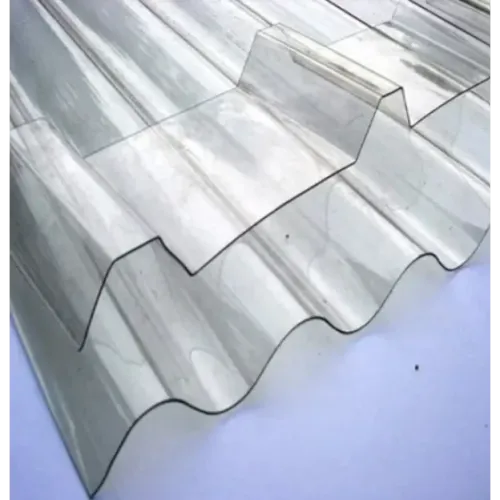
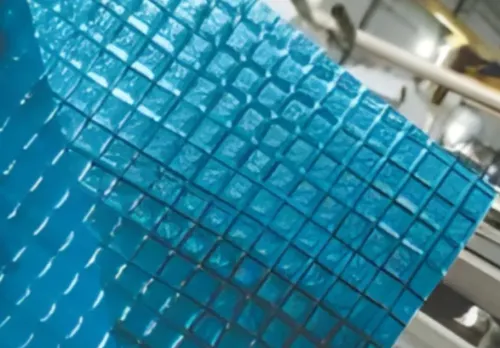
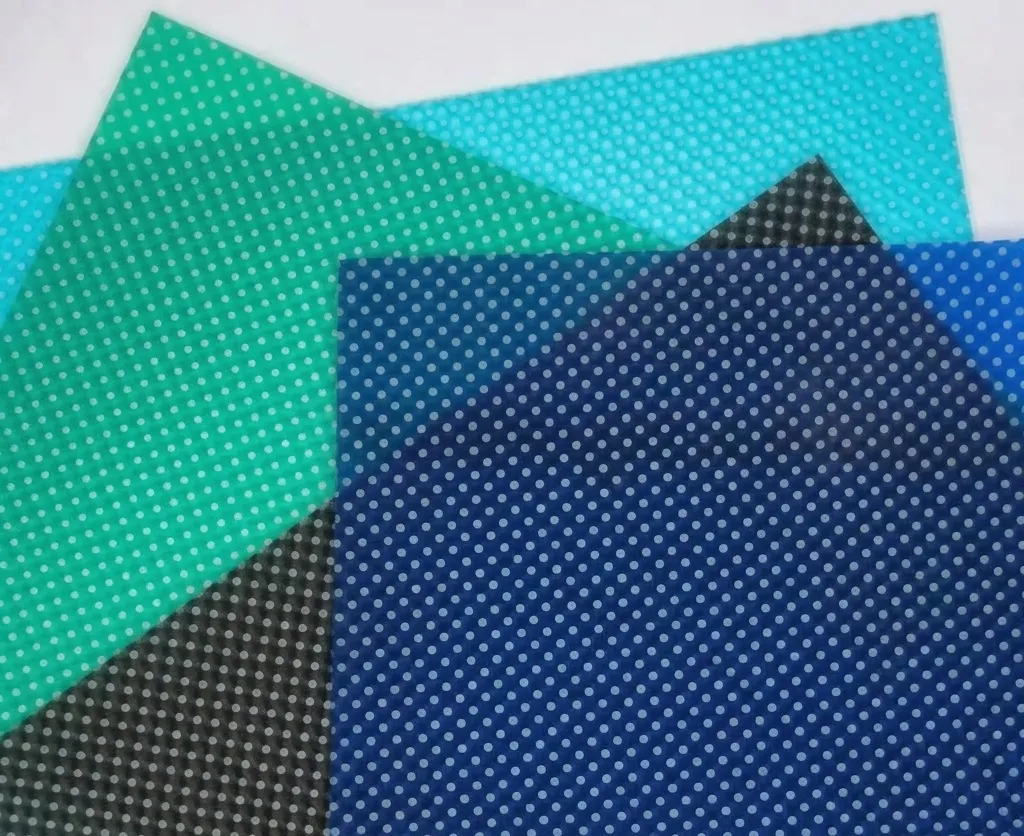
A PC Prism Sheet is a specially engineered polycarbonate sheet with a prismatic surface pattern that helps distribute natural light more effectively than conventional clear sheets. Instead of allowing direct sunlight to enter a building, the prism design diffuses and redirects light, creating brighter interiors with reduced glare.
This makes prism sheets particularly suitable for commercial and industrial buildings where balanced daylight improves visibility and enhances occupant comfort.
What Is a Clear Polycarbonate Sheet?
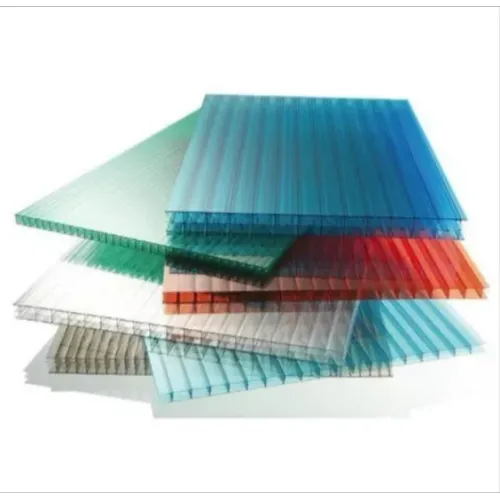
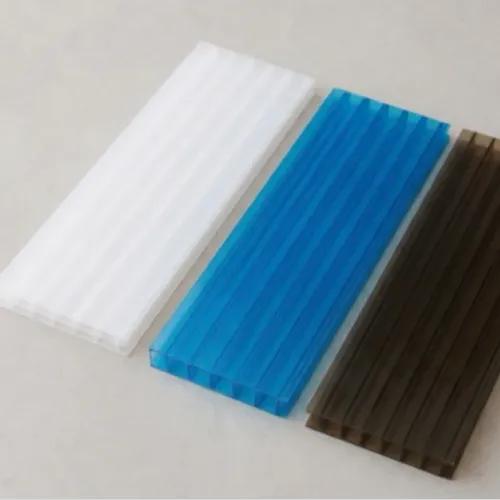
Clear polycarbonate sheets are transparent solid or multiwall sheets that allow a high percentage of natural light to pass through. Their appearance closely resembles glass, but they are considerably lighter and far more impact resistant.
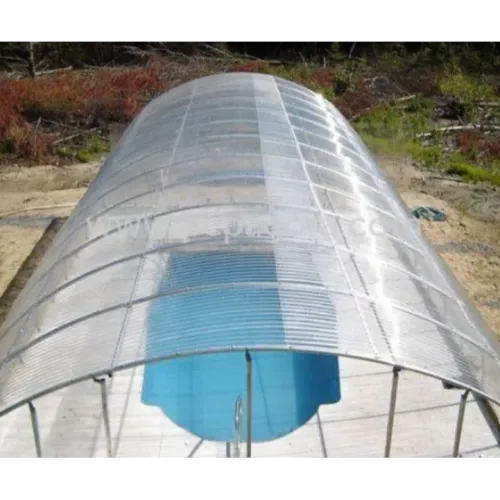
These sheets are commonly used where maximum transparency and uninterrupted visibility are required, such as skylights, covered walkways, canopies, display areas, and protective glazing.
Comparing PC Prism Sheets and Clear Polycarbonate Sheets
Although both materials are manufactured using polycarbonate, their performance differs depending on application.
Light Distribution
One of the biggest differences lies in how each material manages daylight.
PC Prism Sheets diffuse incoming sunlight, spreading it evenly throughout the interior. This reduces bright spots and minimises glare, making workspaces more comfortable.
Clear polycarbonate sheets transmit light directly, offering excellent visibility but sometimes creating intense sunlight and shadows during peak daylight hours.
Indoor Comfort
Buildings that rely heavily on natural lighting often benefit from materials that soften incoming sunlight.
Because prism sheets distribute light more evenly, they help create consistent illumination across larger spaces such as warehouses, offices, and manufacturing facilities.
Clear sheets, while highly transparent, may require additional shading systems in some environments to control glare.
Appearance
Clear polycarbonate sheets provide unobstructed visibility and are often chosen when maintaining exterior views is important.
PC Prism Sheets offer a distinctive textured appearance that complements contemporary architectural designs while still allowing generous natural lighting.
Privacy
Prism sheets provide a higher level of visual privacy because their textured surface diffuses visibility.
Clear sheets, by comparison, maintain direct transparency and are better suited to applications where visibility is desired.
Applications Where PC Prism Sheets Excel
Because of their unique light-diffusing properties, PC Prism Sheets are increasingly specified for projects requiring comfortable natural lighting.
Typical applications include:
- Commercial office buildings
- Shopping malls
- Industrial production units
- Warehouses
- Educational institutions
- Healthcare facilities
- Exhibition centres
- Airport terminals
- Covered walkways
- Factory roofing
- Skylights
- Public utility buildings
These environments benefit from balanced daylight without excessive glare.
When Clear Polycarbonate Sheets Are More Suitable
Clear polycarbonate remains an excellent option for applications where transparency is the primary objective.
Examples include:
- Glass replacements
- Bus shelters
- Security glazing
- Balcony enclosures
- Greenhouses
- Retail display systems
- Protective barriers
- Pergolas
- Residential canopies
- Architectural facades
Selecting between the two depends largely on the intended function of the space.
Factors to Consider Before Choosing
Every project has unique design and operational requirements.
Before selecting either material, consider the following:
Daylighting Goals
If reducing glare while maintaining bright interiors is the priority, prism sheets may be the better choice.
If maximum visibility is essential, clear polycarbonate may be more appropriate.
Building Function
Industrial workspaces, educational institutions, and commercial offices often benefit from diffused lighting, whereas retail displays and observation areas may require greater transparency.
Climate Conditions
Buildings in Delhi experience strong sunlight for much of the year. Materials that help manage daylight and indoor heat can contribute to improved occupant comfort.
Architectural Design
The visual appearance of the material should complement the overall design concept while supporting practical performance requirements.
Installation Considerations
Regardless of which material is selected, proper installation is essential for long-term performance.
Best practices include:
- Choose the correct sheet thickness for the application.
- Follow recommended support spacing.
- Allow adequate clearance for thermal expansion.
- Install UV-protected surfaces in the correct orientation.
- Use compatible fasteners and sealing systems.
- Avoid excessive pressure during fastening.
Professional installation helps maintain structural integrity while preserving the appearance of the sheets.
Why Material Selection Matters in Delhi
Construction projects in Delhi face challenges including intense sunlight, seasonal rainfall, dust, and significant temperature fluctuations. Roofing and glazing materials should not only withstand these conditions but also contribute to comfortable indoor environments.
PC Prism Sheets are particularly well suited to commercial and industrial buildings that depend on natural daylight throughout the working day. Their ability to diffuse sunlight while reducing glare supports productivity and creates more pleasant interior spaces without compromising durability.
Choosing a Trusted Manufacturing Partner
The long-term performance of any polycarbonate sheet depends on manufacturing quality, UV protection technology, raw material consistency, and technical expertise. Working with a manufacturer that understands diverse architectural requirements can simplify product selection and improve project outcomes.
For architects, builders, contractors, developers, and building material dealers across Delhi, U Decor offers a broad portfolio of polycarbonate sheet solutions, including PC Prism Sheets designed for modern commercial and industrial applications. Selecting the right material based on project goals, environmental conditions, and lighting requirements helps create buildings that are functional, visually appealing, and built to perform reliably for years to come.
Keywords