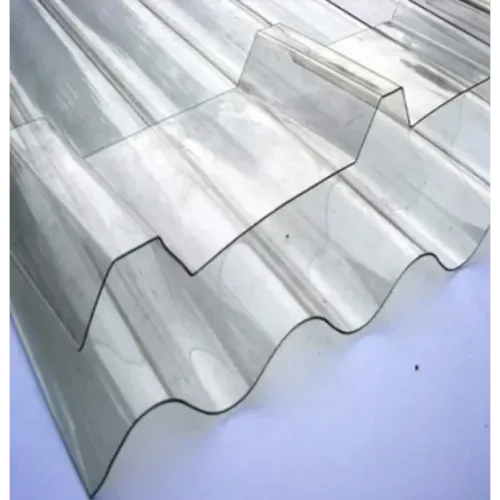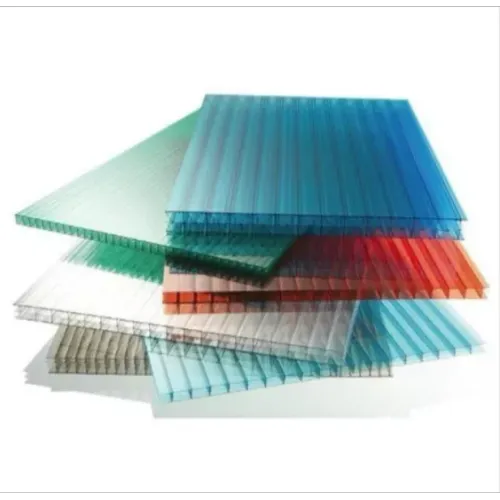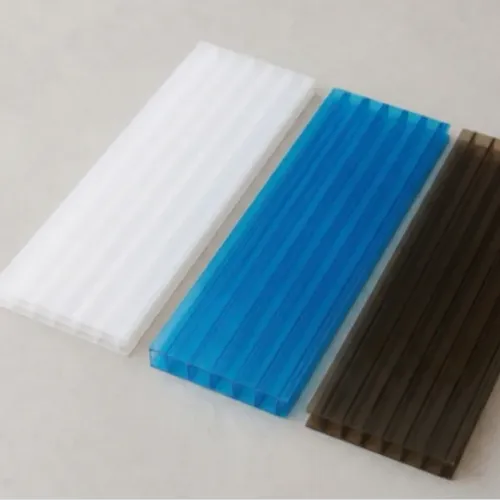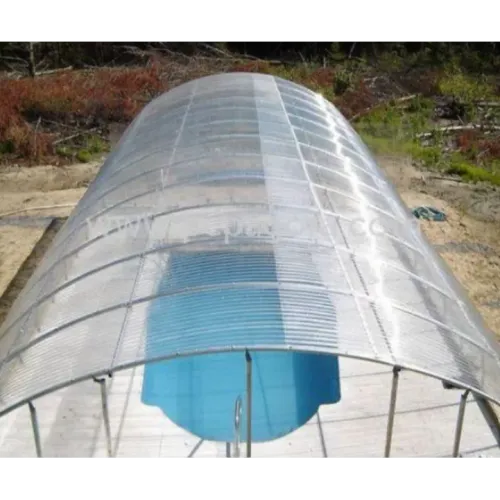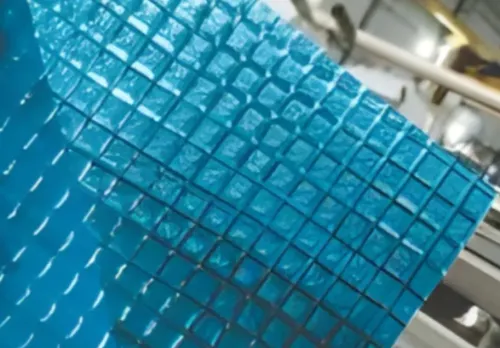
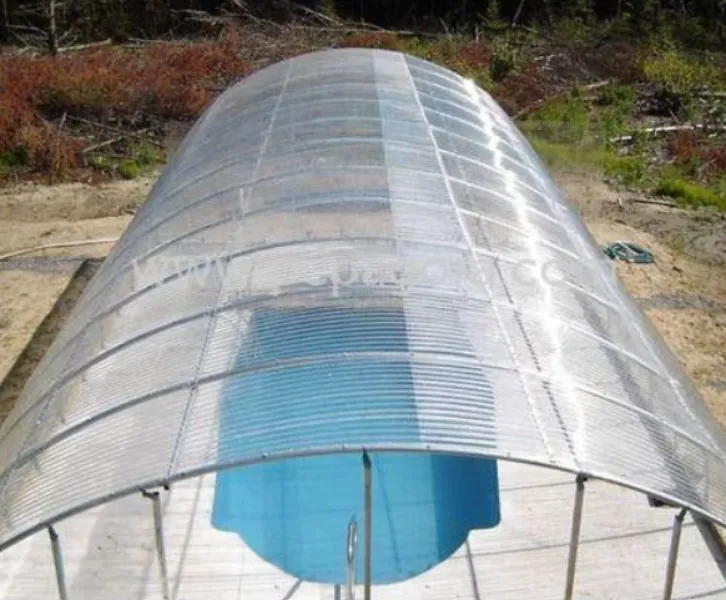
A Polycarbonate Multiwall Sheet is widely used where a building needs natural daylight without the weight and fragility associated with conventional glazing materials. Its hollow, multi-layer construction creates internal air spaces that help reduce weight while improving rigidity and thermal performance.
For architects, contractors, fabricators and commercial property owners in Delhi, these sheets can be considered for roofing, skylights, covered passages, façades and other applications where light transmission and weather protection need to work together.
How Multiwall Polycarbonate Sheets Are Constructed
Unlike a solid sheet, a multiwall panel contains two or more layers connected through internal ribs. Depending on the product design, the internal structure may be simple rectangular chambers or a more complex reinforced configuration.
This construction provides several practical characteristics
- Lower weight compared with many solid glazing materials
- Useful structural stiffness
- Natural light transmission
- Improved thermal insulation through internal air spaces
- Easier handling during installation
- Availability in different thicknesses and configurations
The correct specification depends on the span, supporting structure, expected load and intended application.
Where Polycarbonate Multiwall Sheets Are Commonly Used
One of the main advantages of multiwall polycarbonate is application flexibility. It can be considered for commercial, residential and industrial projects.
Typical applications include
- Terrace roofing
- Walkway covers
- Skylights
- Atriums
- Industrial roofing sections
- Canopies
- Covered parking areas
- Greenhouses
- Daylighting systems
- Commercial building façades
In Delhi, roofing materials are exposed to intense summer heat, dust, seasonal rain and considerable temperature variation. Material selection therefore needs to consider more than appearance alone.
Light Transmission Matters in Daylighting Projects
Natural daylight can reduce dependence on artificial lighting during daytime hours in suitable spaces. This is particularly relevant for warehouses, workshops, commercial passages and industrial facilities.
However, maximum transparency is not always the goal.
A highly transparent sheet may allow more visible light, while tinted, diffused or opal variants can help create softer illumination. The appropriate choice depends on whether the project prioritises visibility, glare reduction, privacy or diffused daylight.
Thermal Performance Should Be Evaluated Carefully
The chambers inside a multiwall sheet trap air, which can improve insulation compared with a single thin layer of material.
This can be useful for enclosed or semi-enclosed spaces where excessive heat transfer is undesirable. However, thermal performance varies with sheet thickness, wall configuration and product specification.
Architects and contractors should therefore evaluate actual technical data rather than assuming that every multiwall panel provides identical performance.
Installation Influences Long-Term Performance
Even a correctly selected sheet can perform poorly when installation details are overlooked.
Polycarbonate expands and contracts as temperature changes. The supporting system should accommodate this movement rather than holding panels too rigidly.
Other installation considerations include
- Correct support spacing
- Suitable fasteners and profiles
- Appropriate sealing
- Orientation of the sheet
- Drainage provision
- Protection of open flutes
- Allowance for thermal expansion
The protective surface orientation should also be checked when the sheet has a designated UV-protected side.
Selecting the Right Sheet for Delhi Projects
There is no single specification suitable for every project. A small residential canopy and a large industrial daylighting roof have very different structural and environmental requirements.
Before finalising a sheet, buyers should consider the roof dimensions, supporting framework, daylight requirement, exposure, desired appearance and installation method.
U Decor supplies polycarbonate sheet solutions for customers evaluating materials for architectural, commercial and industrial applications in Delhi. For specifiers, the important step is to match the sheet construction with the actual performance requirement rather than selecting solely on thickness or appearance.
A properly specified Polycarbonate Multiwall Sheet can provide a practical combination of daylight, lightweight construction and design flexibility. Understanding the structure of the sheet and the demands of the project makes it easier to select a solution that performs effectively after installation.
Keywords