Modern construction projects demand materials that combine durability, safety, visual appeal, and long-term performance. Whether designing commercial buildings, industrial facilities, retail spaces, educational institutions, or residential developments, architects and builders often look for materials that can withstand daily wear while maintaining a clean and contemporary appearance. One material that has become increasingly popular across these applications is the Polycarbonate Solid Sheet.
Unlike multiwall sheets, a polycarbonate solid sheet has a single, transparent structure that closely resembles glass in appearance while offering significantly higher impact resistance and reduced weight. Its versatility makes it suitable for a wide range of indoor and outdoor applications where both aesthetics and functionality are equally important.
If you are planning a new construction project or upgrading an existing structure, understanding where polycarbonate solid sheets perform best and what factors to evaluate before purchasing can help you make a more informed decision.
What Is a Polycarbonate Solid Sheet?
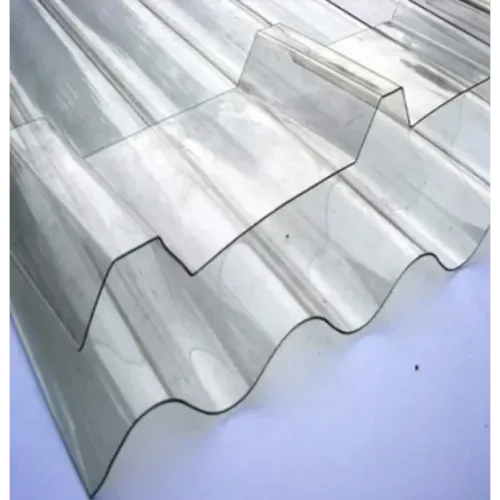
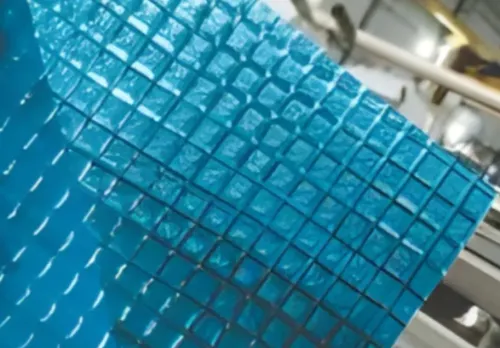
A polycarbonate solid sheet is a transparent or translucent engineering plastic sheet manufactured using high-performance polycarbonate resin. Although it offers glass-like clarity, it is much lighter and considerably more resistant to impact.
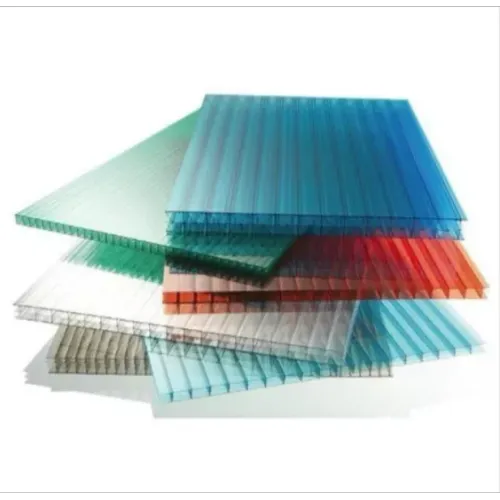
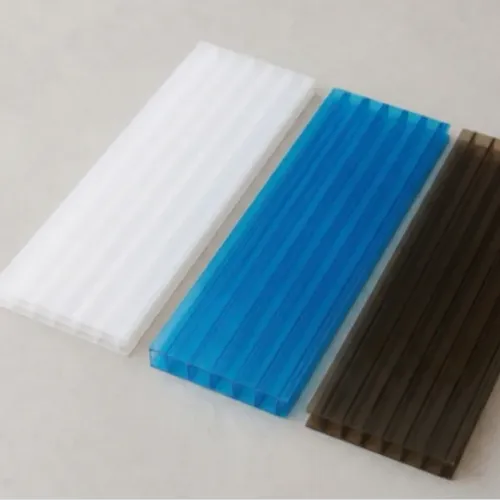
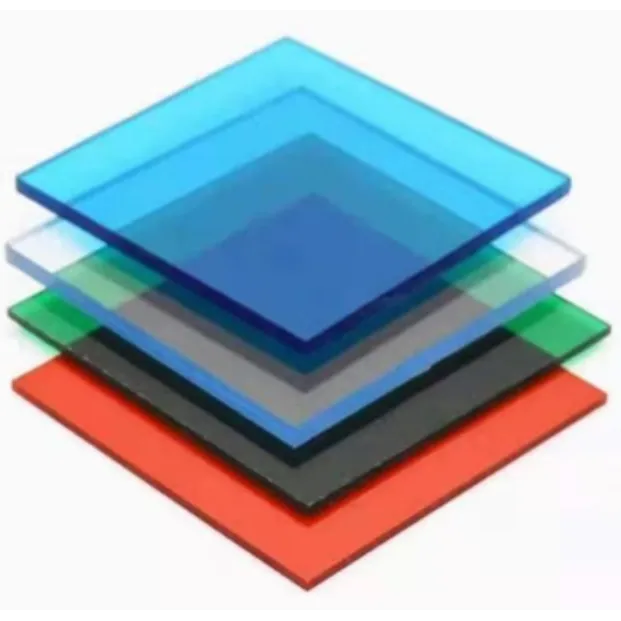
Available in different thicknesses, colours, finishes, and UV-protected variants, these sheets are designed to perform in demanding environments while supporting modern architectural designs.
Because of their strength and flexibility, they are widely used in projects where conventional glass may not be the most practical solution.
Common Applications of Polycarbonate Solid Sheets
One of the biggest advantages of polycarbonate solid sheets is their adaptability across industries.
Some of the most common applications include:
- Commercial building entrances
- Skylights
- Covered walkways
- Bus shelters
- Shopping malls
- Office partitions
- Industrial safety barriers
- Machine guards
- Balcony enclosures
- Pergolas
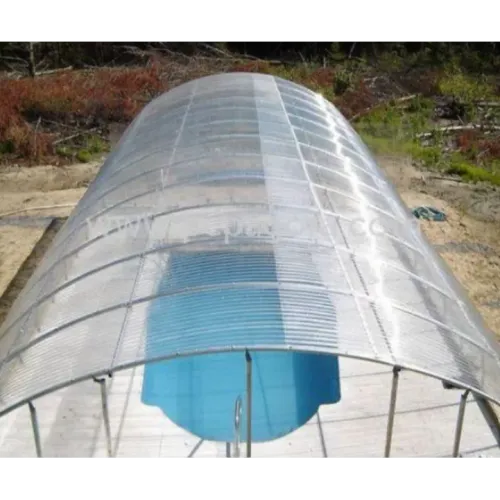
- Swimming pool covers
- Greenhouses
- Stadium roofing
- Educational institutions
- Hospitals
- Retail display panels
Their ability to combine transparency with structural strength makes them suitable for projects requiring both visibility and protection.
Why Many Construction Professionals Choose Polycarbonate Instead of Glass
Glass has long been associated with modern architecture, but it is not always the most practical material in every situation.
Polycarbonate solid sheets offer several advantages that make them an attractive alternative.
Excellent Impact Resistance
One of the most significant benefits is their ability to withstand heavy impacts. This makes them suitable for areas where accidental breakage could pose safety concerns.
Lightweight Construction
Compared to glass, polycarbonate sheets are much lighter. This simplifies transportation, handling, and installation while reducing structural loading.
Better Safety
If subjected to severe impact, polycarbonate is less likely to shatter into dangerous sharp fragments, making it suitable for public spaces and industrial environments.
Weather Resistance
Quality sheets are designed to perform under varying weather conditions, including sunlight, rainfall, and changing temperatures.
Design Flexibility
Polycarbonate sheets can be fabricated into different shapes and sizes, giving architects greater design freedom for modern structures.
Important Factors to Consider Before Buying
Choosing the right sheet involves more than selecting the required dimensions. Several technical considerations can influence long-term performance.
Sheet Thickness
Different applications require different levels of strength. A decorative partition may require a thinner sheet, while roofing or safety glazing applications often need thicker specifications.
UV Protection
Outdoor installations should use UV-protected sheets to help maintain transparency and reduce weather-related deterioration over time.
Transparency Requirements
Depending on the project, buyers may choose from clear, bronze, grey, opal, or other finishes that provide varying levels of light transmission and privacy.
Fire Performance
Many commercial and industrial projects require building materials that meet applicable fire safety standards. Checking product specifications before purchase is always advisable.
Structural Requirements
Support spacing, wind load, and installation methods should all be considered when selecting sheet thickness and dimensions.
Why Polycarbonate Solid Sheets Are Well-Suited for Delhi Projects
Construction in Delhi presents unique challenges, including high summer temperatures, seasonal rainfall, dust exposure, and growing demand for energy-efficient buildings.
Polycarbonate solid sheets offer several practical advantages in these conditions.
Their durability helps them withstand changing weather, while UV-protected variants maintain performance during prolonged sunlight exposure. The lightweight nature of the material also supports faster installation for commercial and industrial developments where project timelines are important.
Architects increasingly use these sheets in façade elements, skylights, covered entrances, and modern roofing systems because they complement contemporary building designs without adding excessive structural weight.
Best Practices for Installation
Proper installation contributes significantly to long-term performance.
Recommended practices include:
- Use the correct sheet thickness for the intended application.
- Allow sufficient clearance for thermal expansion.
- Install the UV-coated surface facing outward.
- Use compatible sealants and fastening systems.
- Avoid drilling holes too close to sheet edges.
- Follow manufacturer guidelines for support spacing.
Professional installation helps maximise durability and minimise future maintenance issues.
Maintaining Polycarbonate Solid Sheets
Routine maintenance is relatively straightforward.
To preserve appearance and performance:
- Clean with mild soap and clean water.
- Use a soft cloth or sponge instead of abrasive materials.
- Remove accumulated dust and debris periodically.
- Inspect fasteners and seals during routine building maintenance.
- Avoid harsh chemical cleaners that may affect the sheet surface.
Regular care helps maintain clarity and extends the service life of the material.
Choosing the Right Manufacturing Partner
The quality of a polycarbonate sheet depends not only on the material itself but also on manufacturing standards, UV protection technology, and product consistency. Buyers should evaluate suppliers based on product quality, technical support, and the ability to provide solutions suited to specific project requirements.
For architects, contractors, developers, and building material dealers in Delhi, working with an experienced manufacturer can simplify material selection and improve project outcomes. U Decor manufactures a range of polycarbonate sheet solutions designed for commercial, industrial, and architectural applications. Selecting the right polycarbonate solid sheet based on structural needs, environmental conditions, and design objectives can contribute to a building that remains durable, functional, and visually appealing for years to come.
Keywords