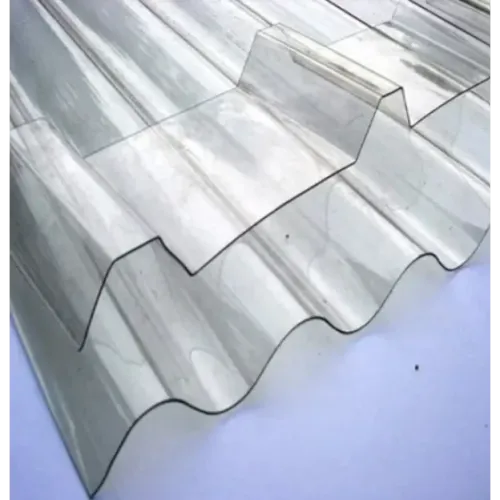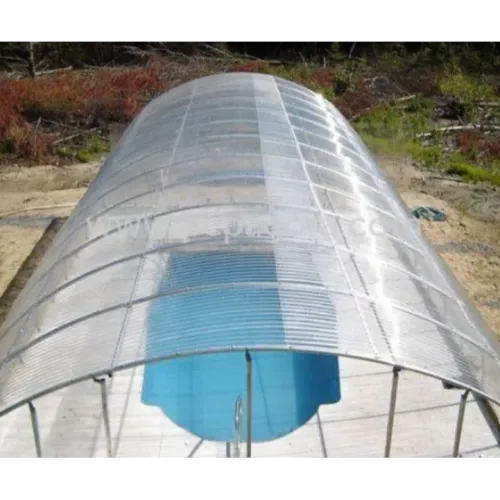
When planning a construction or renovation project, selecting the right roofing and cladding material can influence durability, energy efficiency, and long-term maintenance costs. Whether it is a commercial complex, industrial warehouse, greenhouse, factory, or residential outdoor space, the roofing material must withstand varying weather conditions while allowing sufficient natural light. This is one reason why the Twin Wall Sheet has become a popular option among architects, builders, contractors, and property owners across India.
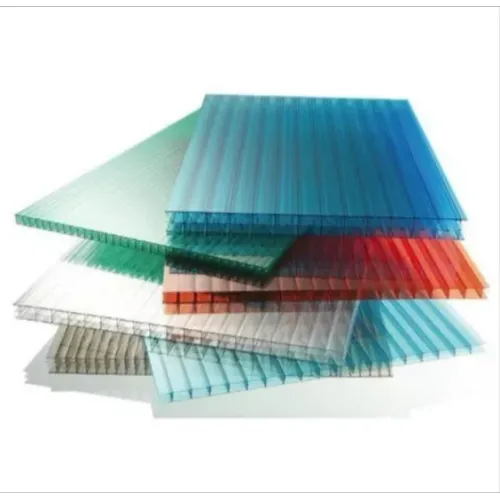
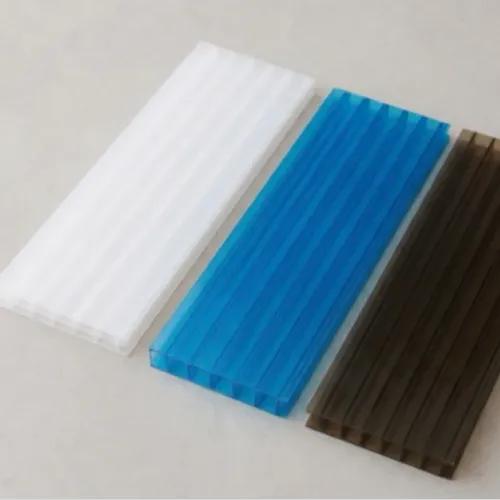
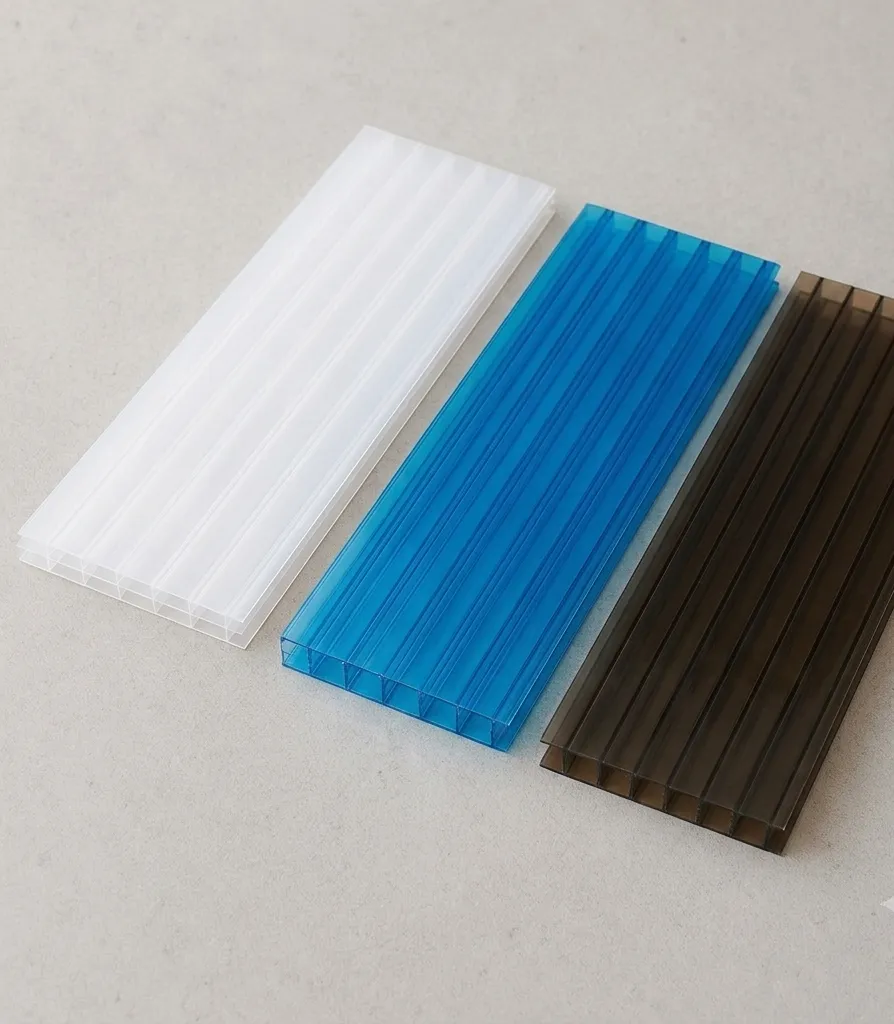
A twin wall sheet is a type of polycarbonate sheet made with two layers connected by internal ribs, creating air pockets between them. This structure provides a combination of strength, lightweight performance, and thermal insulation. Compared to conventional roofing materials, twin wall sheets offer excellent functionality without adding unnecessary weight to the building structure.
What Is a Twin Wall Sheet?
Twin wall sheets are manufactured using high-quality polycarbonate resin. Their dual-layer construction improves structural performance while allowing sunlight to pass through. These sheets are available in multiple thicknesses, colours, and dimensions to suit different architectural and industrial requirements.
Because of their balance of transparency and strength, twin wall sheets are widely used in projects where natural daylight is desirable without exposing interiors directly to harsh weather conditions.
Key Benefits of Twin Wall Sheets
Several characteristics make these sheets suitable for diverse applications.
Excellent Light Transmission
Twin wall sheets allow natural daylight to enter indoor spaces, reducing dependence on artificial lighting during daytime hours. This contributes to lower electricity consumption in warehouses, workshops, factories, and commercial buildings.
Better Thermal Insulation
The air gap created between the two layers acts as insulation. This helps reduce heat transfer and creates a more comfortable indoor environment, particularly during Delhi's hot summers.
High Impact Resistance
Unlike glass, polycarbonate sheets are highly resistant to impact. They can withstand hail, accidental impacts, and everyday environmental stress without cracking easily.
Lightweight Construction
Their lightweight design simplifies transportation, handling, and installation. Builders often appreciate reduced structural load requirements compared to heavier roofing alternatives.
Weather Resistance
Quality twin wall sheets are designed to withstand rain, strong sunlight, wind, and changing temperatures. UV-protected variants also help reduce yellowing and maintain performance over time.
Design Flexibility
Twin wall sheets can be used for both functional and aesthetic purposes. Their availability in different colours and finishes allows architects to incorporate them into modern building designs.
Common Applications of Twin Wall Sheets
The versatility of twin wall sheets makes them suitable across multiple industries.
Some common applications include:
- Industrial roofing
- Warehouse skylights
- Greenhouses
- Commercial buildings
- Factory sheds
- Parking canopies
- Walkway covers
- Residential pergolas
- Educational institutions
- Sports complexes
- Agricultural structures
- Shopping complexes
Their ability to combine daylight, durability, and insulation makes them useful for projects of different sizes.
Why Builders in Delhi Prefer Twin Wall Sheets
Construction requirements in Delhi often involve managing high temperatures, seasonal rainfall, and increasing demand for energy-efficient buildings. Roofing materials that reduce heat gain while maintaining natural illumination are becoming increasingly valuable.
Twin wall sheets meet many of these practical requirements. Since they weigh significantly less than traditional roofing materials, installation becomes easier and structural support requirements may also be reduced. Their durability further contributes to long-term performance in demanding environments.
Architects working on commercial developments also appreciate the clean appearance of polycarbonate roofing systems, especially when creating contemporary architectural designs.
Factors to Consider Before Selecting a Twin Wall Sheet
Not every project requires the same sheet specification. Before making a selection, it is helpful to evaluate several factors.
Sheet Thickness
Different projects require different load-bearing capacities. Thicker sheets generally provide improved insulation and greater structural strength.
UV Protection
For outdoor applications, UV-coated sheets help improve durability and reduce long-term weather-related degradation.
Light Diffusion Requirements
Some buildings require maximum transparency, while others benefit from diffused lighting that minimizes glare. Choosing the appropriate finish supports the intended use of the space.
Structural Design
Roof slope, support spacing, and installation methods all influence the most suitable sheet configuration.
Environmental Conditions
Exposure to sunlight, wind, rainfall, and temperature variations should be considered before finalizing specifications.
Installation Best Practices
Proper installation contributes significantly to the performance and lifespan of twin wall sheets.
Recommended practices include:
- Use compatible fastening systems recommended by the manufacturer.
- Allow sufficient expansion gaps to accommodate temperature changes.
- Install sheets with the UV-protected surface facing upward.
- Ensure proper sealing to prevent dust and water ingress.
- Maintain suitable support spacing according to sheet thickness.
- Avoid overtightening screws during installation.
Following these practices helps preserve both structural integrity and visual appearance over time.
Maintenance Requirements
Twin wall sheets require relatively little maintenance compared to many conventional roofing materials.
Routine care generally includes:
- Cleaning with mild soap and water.
- Avoiding abrasive cleaning materials.
- Periodic inspection of fasteners and seals.
- Removing accumulated debris from roof surfaces and drainage areas.
Simple maintenance can help extend the service life of the roofing system while maintaining its transparency and performance.
Choosing a Reliable Manufacturer
The quality of raw materials and manufacturing standards plays an important role in the long-term performance of polycarbonate sheets. Buyers should consider suppliers that offer consistent product quality, technical guidance, and solutions suitable for different project requirements.
For architects, contractors, and developers working on projects across Delhi and neighbouring regions, manufacturers with experience in polycarbonate roofing systems can help simplify product selection based on structural, aesthetic, and environmental considerations. U Decor is one such manufacturer offering a range of polycarbonate sheet solutions designed for commercial, industrial, and architectural applications. By understanding project requirements and selecting appropriate specifications, construction professionals can create roofing systems that combine durability, natural lighting, and efficient performance for years to come.
Keywords