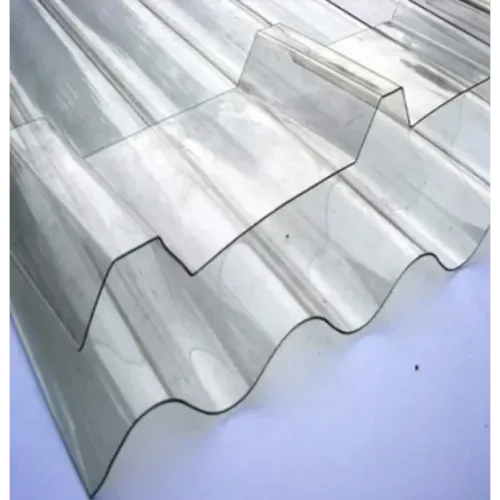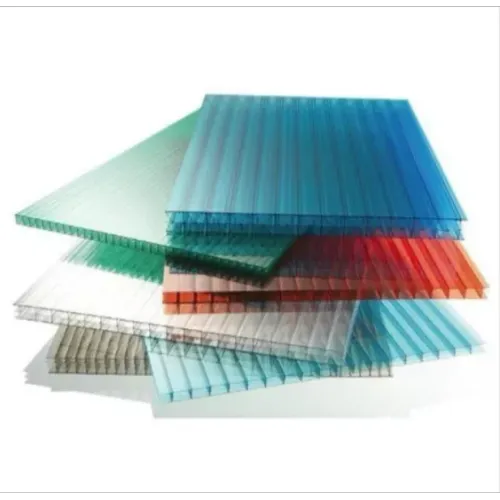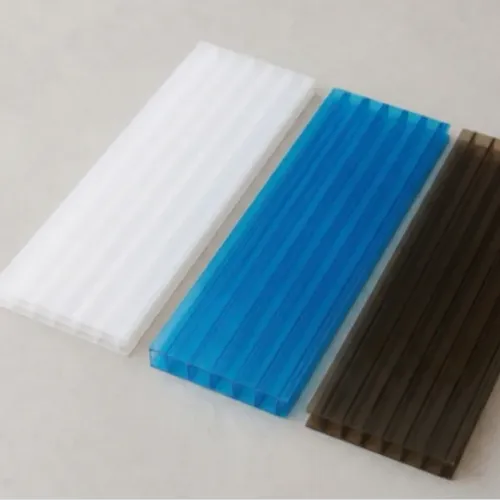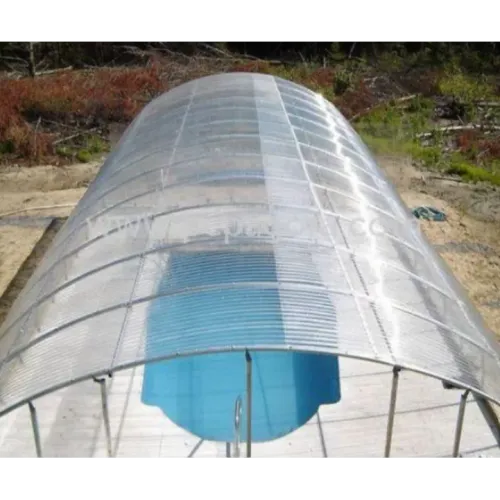
A construction material should not be selected from thickness and price alone. Its application, exposure conditions, dimensions, structural support, optical requirements, and installation method can all affect performance.
This is especially important when selecting a PC Compact Sheet for architectural, commercial, or industrial use.
For builders, contractors, architects, and project procurement teams in Delhi, using a structured buying process can reduce specification errors and unnecessary replacement costs.
Start With the Actual Application
Before asking for a quotation, define where the sheet will be installed.
A sheet required for an interior partition faces very different conditions from one installed as an outdoor canopy.
Compact polycarbonate may be considered for applications including:
- Protective glazing
- Architectural panels
- Canopies
- Machine guards
- Industrial partitions
- Commercial glazing
- Interior dividers
- Covered areas
- Fabricated components
The intended application determines which technical characteristics deserve the most attention.
Check the Required Thickness
Thickness affects stiffness and suitability for different panel dimensions.
Choosing a thinner sheet purely to reduce initial cost may not be appropriate for larger spans or demanding installations. At the same time, unnecessarily increasing thickness can raise project costs without providing meaningful additional value.
Before selecting thickness, consider:
- Panel dimensions
- Supporting frame spacing
- Installation orientation
- Expected physical impact
- Wind exposure
- Structural requirements
For critical applications, specifications should be determined with appropriate technical guidance.
Confirm Transparency Requirements
Not every project requires maximum clarity.
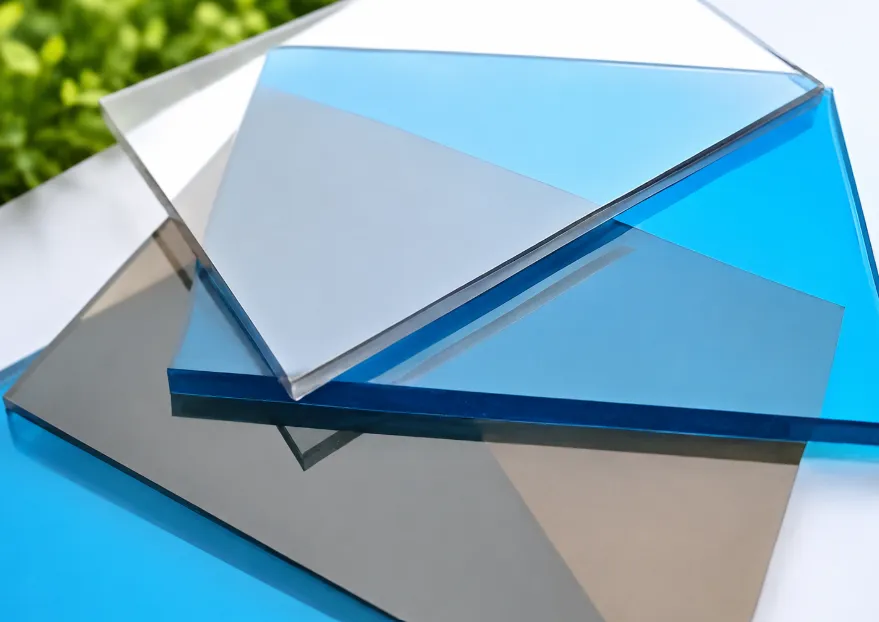
Some applications need a clear view, while others require translucent light, coloured panels, privacy, or a particular architectural effect.
Discuss the desired appearance before ordering.
Samples are especially useful when colour and transparency play a significant role in the final design.
Verify UV Protection for Exterior Use
Outdoor sheets face prolonged exposure to sunlight.
For exterior projects in Delhi, UV protection should be checked carefully. Ask whether the sheet is suitable for outdoor installation and determine which surface should face the sun.
Do not assume every compact polycarbonate sheet has identical UV characteristics.
Correct orientation during installation is just as important as choosing the correct product.
Review Sheet Dimensions Before Finalizing Quantity
Procurement teams sometimes calculate requirements based only on total square footage.
This can lead to excessive cutting waste.
Instead, prepare a panel schedule showing the actual dimensions needed for each area. Compare these dimensions with available sheet sizes to identify an efficient cutting plan.
This can reduce:
- Material wastage
- Cutting time
- Unnecessary joints
- Additional labour
- Procurement errors
For large projects, planning sheet utilization before placing an order can significantly improve efficiency.
Understand Fabrication Requirements
If the sheet needs cutting, drilling, bending, or other fabrication, communicate these requirements early.
Fabrication methods should be compatible with polycarbonate. Incorrect cutting tools, drilling techniques, or fixing practices can damage edges and create stress concentrations.
Contractors should also consider whether fabrication will happen at the supplier's facility, workshop, or project site.
Do Not Ignore Thermal Expansion
Delhi's temperature variations make thermal movement an important installation consideration.
Polycarbonate expands when temperatures rise and contracts as they fall. Installation systems should accommodate this dimensional change.
Common precautions may include appropriate hole clearances, suitable profiles, compatible washers, and controlled tightening.
Exact requirements depend on the installation design and sheet dimensions.
Ask About Supporting Accessories
The sheet itself is only one component of a successful installation.
Depending on the project, additional items may include:
- Joining profiles
- Edge profiles
- Fasteners
- Washers
- Sealing materials
- Framing components
Confirm compatibility between the sheet and installation accessories rather than purchasing each component independently.
Compare Total Project Value
A lower sheet price does not always produce a lower completed-project cost.
Material waste, difficult installation, unsuitable dimensions, premature replacement, or incorrect specification can quickly offset an initial saving.
For procurement teams, a more useful comparison includes material suitability, fabrication requirements, installation efficiency, expected exposure, and supplier support.
U Decor works with PC Compact Sheet requirements for architectural, construction, commercial, and industrial applications in Delhi.
Providing a detailed requirement—including application, thickness, dimensions, quantity, colour, transparency, and indoor or outdoor exposure—helps the supplier respond with a more relevant specification.
The most effective buying decision is not finding the cheapest sheet. It is selecting a product that fits the project accurately enough to avoid unnecessary compromises later.
Keywords