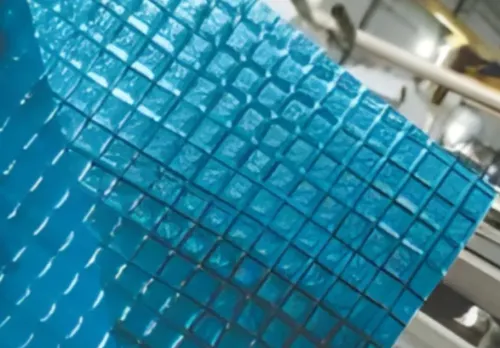
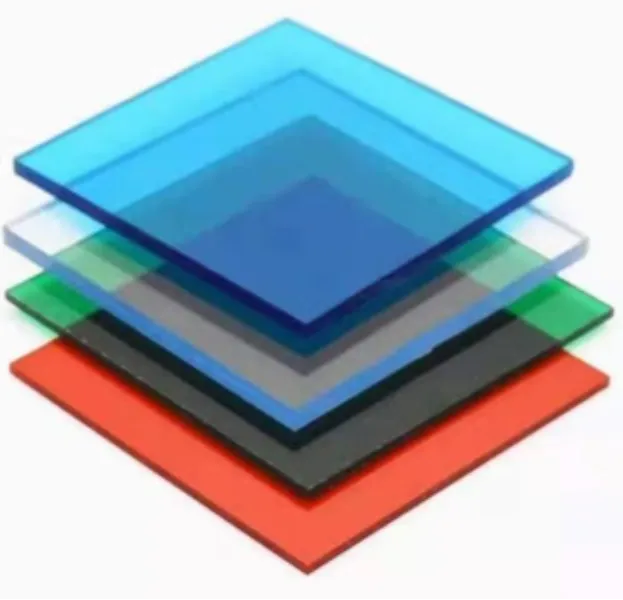
Transparent construction materials are often expected to achieve two seemingly conflicting objectives: maintain visibility while providing dependable physical protection. This is where a Polycarbonate Solid Sheet becomes particularly useful.
Its solid structure, clarity options, lightweight nature, and impact resistance make it suitable for architectural, commercial, industrial, and protective applications. For projects in Delhi, it can be considered where conventional glazing needs to be replaced or complemented by a more impact-resistant transparent material.
Understanding the Solid Sheet Structure
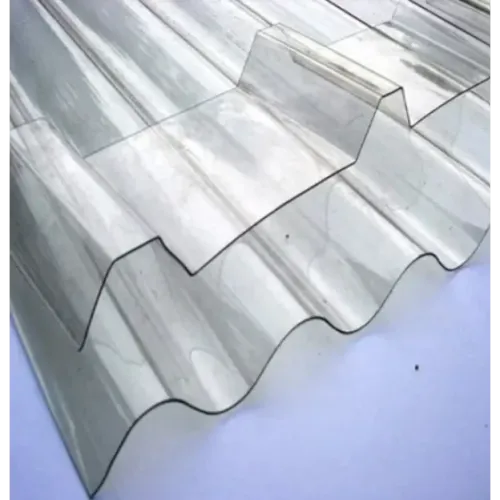
A solid polycarbonate sheet does not contain the internal channels typically found in multiwall products. Its continuous construction gives it a glass-like sheet format while retaining the characteristic toughness of polycarbonate.
Depending on the product specification, solid sheets can be available in different:
- Thicknesses
- Dimensions
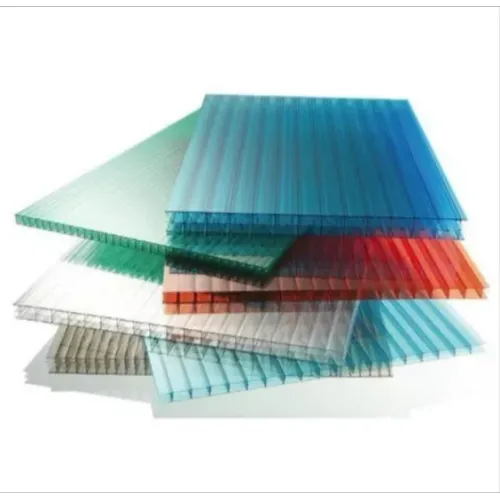
- Colours
- Transparency levels
- Surface treatments
- UV-protected options
These variations allow architects and contractors to match the sheet more closely to individual project requirements.
Protective Glazing Is a Key Application
Areas exposed to accidental impact require careful material selection.
A Polycarbonate Solid Sheet may be considered for protective glazing where visibility is important but ordinary brittle materials could be vulnerable to breakage.
Potential applications include:
- Machine protection
- Industrial partitions
- Safety barriers
- Protective screens
- Equipment enclosures
- Commercial glazing
- Covered passages
The required specification depends on the level of impact, sheet dimensions, supporting structure, and installation method.
Canopies Need Strength Without Excessive Weight
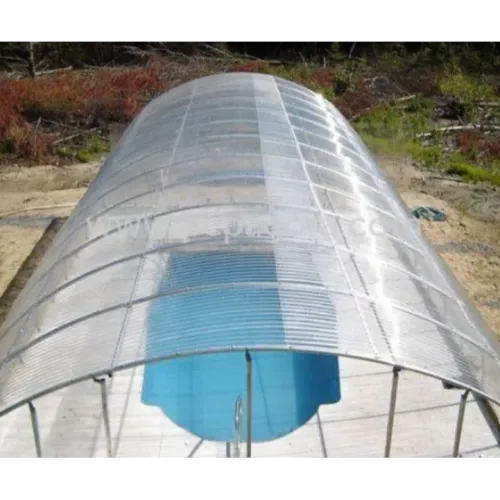
Entrance canopies and covered outdoor areas are common across commercial and residential properties.
Glass can create an elegant appearance but may introduce additional weight and handling considerations. Solid polycarbonate provides another option where designers want transparency with a comparatively lightweight structure.
For Delhi buildings, canopy design should also account for heat, sunlight, rainwater drainage, wind exposure, and thermal expansion.
The sheet should never be selected independently of the supporting framework.
Industrial Environments Benefit From Visibility
Manufacturing facilities frequently require physical separation without completely blocking visibility.
Transparent protective partitions can allow operators to observe machinery while maintaining defined work zones. Solid polycarbonate can therefore be useful for machine guards and industrial separation systems.
Before specifying the material, industrial buyers should assess operating temperature, potential chemical exposure, impact conditions, cleaning requirements, and proximity to machinery.
No single sheet specification is appropriate for every industrial environment.
Thickness Has a Direct Role
One common purchasing mistake is selecting thickness primarily according to price.
Sheet thickness affects stiffness and suitability for different spans and applications. A small indoor partition and a large exterior canopy clearly do not face identical structural conditions.
Buyers should provide suppliers with details such as:
- Sheet dimensions
- Supporting frame spacing
- Indoor or outdoor use
- Expected impact exposure
- Required transparency
- Installation orientation
This information makes product selection significantly more reliable.
UV Protection Deserves Attention Outdoors
Continuous sunlight exposure can affect polymer materials over time. Exterior applications should therefore be checked for appropriate UV-protected specifications.
This is particularly relevant in Delhi because roofing, canopies, façade elements, and outdoor glazing can experience prolonged exposure to strong sunlight.
Buyers should confirm which surface contains UV protection and how the sheet needs to be oriented during installation.
Fabrication Flexibility Helps Designers
Solid polycarbonate can support a variety of fabrication possibilities depending on the sheet specification and equipment used.
This makes it attractive for custom architectural features, protective installations, partitions, and fabricated components where standard glass dimensions may be restrictive.
However, drilling, cutting, bending, and fixing should follow suitable fabrication guidelines. Incorrect procedures can introduce stress or damage around edges and fixing points.
Installation Should Accommodate Movement
Polycarbonate responds to temperature changes by expanding and contracting.
Installation systems should therefore allow appropriate movement rather than rigidly restraining the material. Oversized fixing holes, compatible washers, suitable profiles, and correct clearances may be required depending on the system.
Excessive tightening should also be avoided.
Choose According to the Application
Polycarbonate Solid Sheet is not simply a glass substitute. It is a separate engineering and architectural material with its own performance characteristics.
Architects, contractors, and industrial buyers in Delhi should assess impact resistance, transparency, thickness, UV protection, dimensions, fabrication requirements, and installation conditions before ordering.
U Decor supplies polycarbonate sheet solutions for varied project requirements and can help buyers understand suitable options based on the intended use.
A clear project specification at the purchasing stage helps prevent incorrect thickness selection, unnecessary cost, installation difficulties, and performance issues later.
Keywords