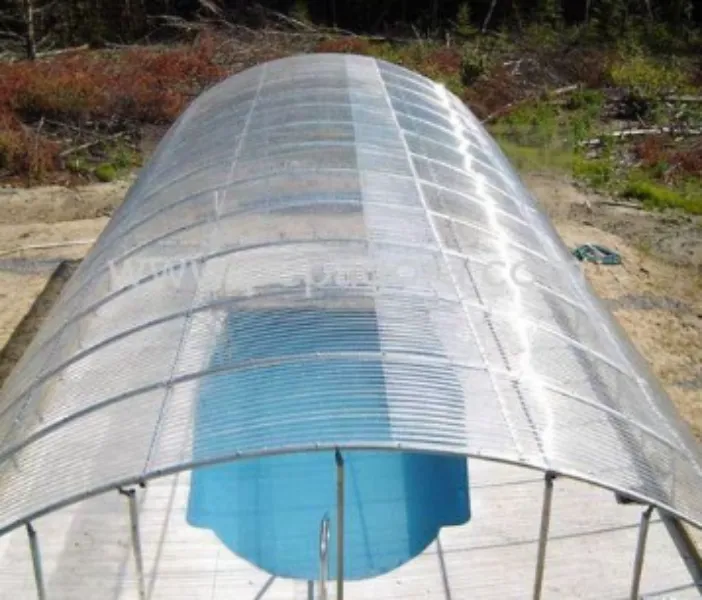
Natural daylight can improve the functionality of warehouses, factories, commercial buildings, covered passages, and architectural spaces. The challenge is introducing sufficient light without creating an unnecessarily heavy roofing system.
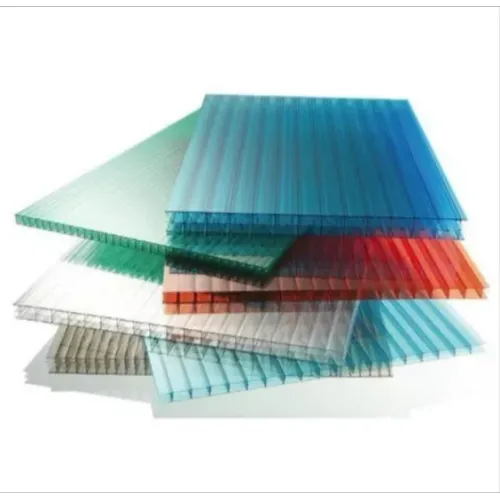
A Polycarbonate Multiwall Sheet provides one solution. Instead of using a completely solid cross-section, multiwall sheets contain internal layers and channels that create a structured panel.
This construction can provide a useful balance of lightweight performance, daylight transmission, and thermal characteristics.
How Multiwall Construction Works
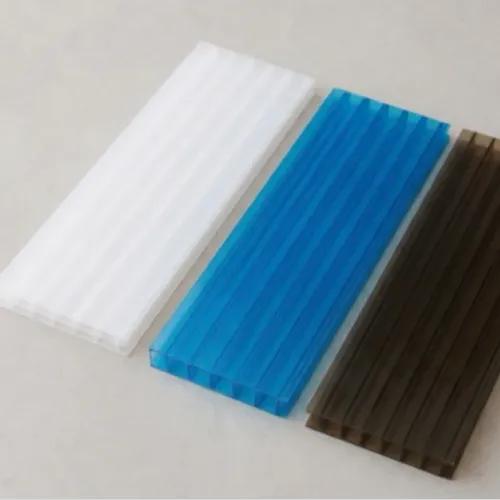
The internal walls of the sheet create multiple air spaces within the panel.
These internal chambers distinguish multiwall polycarbonate from solid sheets and influence properties such as stiffness, weight, insulation, and light diffusion.
Different products may have different numbers of walls, internal geometries, thicknesses, and overall widths.
For this reason, the term multiwall should not be treated as a single universal specification.
Daylighting Is One of Its Main Strengths
Industrial and commercial buildings can require artificial lighting throughout operating hours when roofs and walls do not provide sufficient daylight.
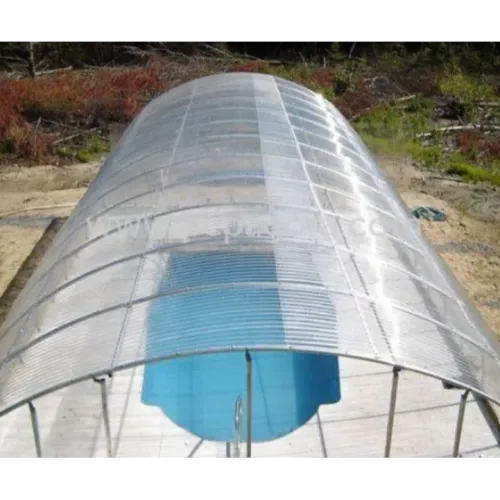
Introducing translucent roofing sections can allow daylight into selected areas.
Applications may include:
- Industrial sheds
- Warehouses
- Covered walkways
- Commercial roofing
- Atriums
- Skylights
- Greenhouses
- Institutional buildings
- Entrance structures
A translucent sheet can also diffuse incoming light, helping reduce harsh direct glare compared with completely transparent glazing in certain applications.
Thermal Performance Can Be Important
The air spaces inside multiwall construction can provide improved thermal insulation compared with a single solid layer of similar material configuration.
This can matter for covered spaces where heat transfer needs to be considered alongside daylight.
However, thermal performance differs according to sheet thickness, internal structure, number of walls, and manufacturer specifications.
Buyers should therefore review actual technical data rather than relying solely on the term 'multiwall.'
Lower Weight Can Simplify Large Projects
Large roofing projects involve substantial quantities of material. Weight can influence transportation, lifting, supporting structures, and installation procedures.
The hollow internal structure of multiwall polycarbonate keeps the panel relatively lightweight while maintaining useful rigidity.
This characteristic can make it attractive for large-area roofing and daylighting installations.
Structural design must still account for wind loads, support spacing, sheet thickness, fixing systems, and local site conditions.
Channel Direction Is Important
Multiwall sheets contain internal channels, and their orientation matters during installation.
For sloping roofing, channels generally need to follow the direction of the slope so condensation can drain appropriately. Vertical installations similarly require correct channel orientation.
Improper installation can contribute to moisture accumulation or contamination inside the channels.
Installers should therefore follow the product-specific installation recommendations.
Open Ends Require Proper Sealing
The internal channels create another installation consideration: the sheet ends need appropriate treatment.
Suitable tapes, profiles, and closure systems help manage dust, insects, moisture, and condensation.
Simply sealing every opening without understanding ventilation and drainage requirements may also create problems.
Correct edge treatment should be selected according to the installation system.
Delhi Conditions Need to Be Considered
Buildings in Delhi experience strong sunlight, high summer temperatures, monsoon rainfall, dust, and seasonal temperature variation.
Outdoor multiwall installations should therefore be assessed for:
- UV protection
- Thermal expansion
- Drainage
- Weather sealing
- Wind resistance
- Supporting frame design
- Surface maintenance
These practical considerations can influence long-term performance more than appearance alone.
Select the Structure Based on Project Needs
Not every project needs the thickest or most complex sheet.
A simple covered walkway may have different requirements from an industrial roof, greenhouse, atrium, or commercial façade.
Architects and contractors should compare light transmission, insulation requirements, span, structural loading, colour, UV protection, and budget before deciding.
For Delhi projects, U Decor can support buyers evaluating polycarbonate solutions for architectural and construction applications.
Polycarbonate Multiwall Sheet works best when treated as part of the complete building system. Matching the sheet structure, framing, accessories, orientation, and installation method to the actual project can deliver more reliable daylighting and long-term functionality.
Keywords