Roofing materials influence daylight, structural load, thermal behaviour, installation time, maintenance, and the overall appearance of a building. For projects where a heavy solid roofing system is unnecessary, a Twin Wall Sheet can provide a practical alternative.
Its characteristic two-wall construction creates an internal air space while keeping the panel comparatively lightweight. This makes twin wall polycarbonate relevant to a range of architectural and construction applications.
For builders, contractors, architects, and roofing professionals in Delhi, understanding its advantages and limitations is important before specifying it.
Understanding Twin Wall Construction
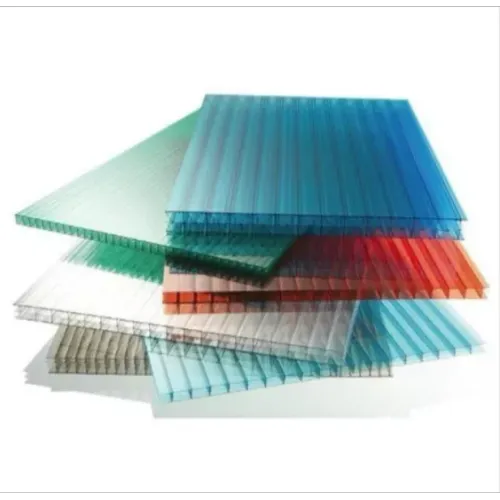
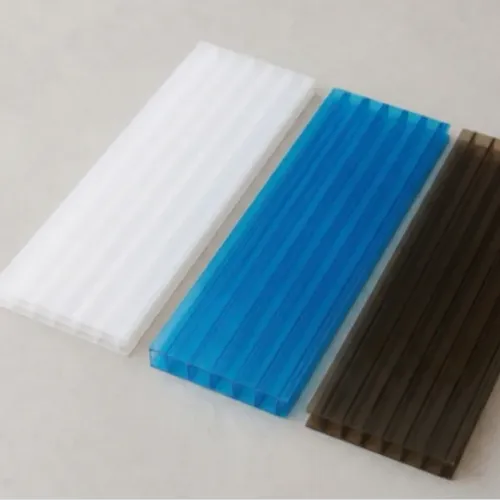
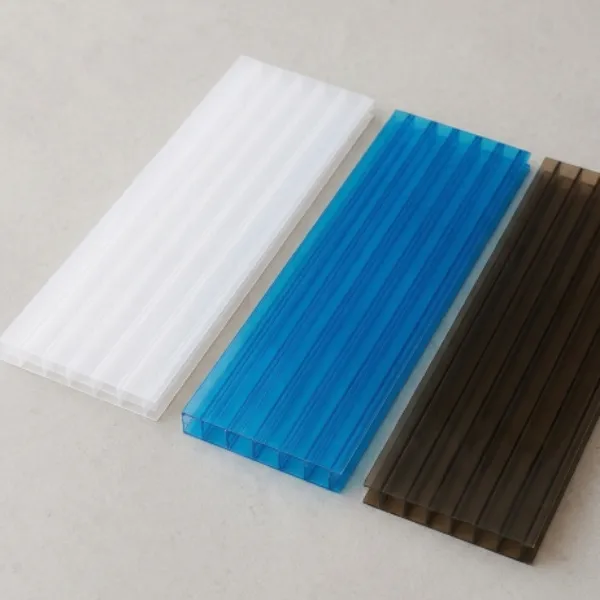
A twin wall polycarbonate sheet typically consists of two outer layers connected by internal ribs.
The resulting channels reduce material weight while adding structural form to the panel. These internal air spaces can also influence thermal performance compared with a simple single-layer sheet.
Different products can vary in thickness, dimensions, colour, light transmission, rib spacing, and UV protection.
Buyers should therefore compare actual specifications rather than assuming all twin wall sheets perform identically.
Lightweight Construction Can Simplify Installation
Weight matters when roofing material must be transported, lifted, positioned, and fixed across large areas.
A lightweight panel can make handling more manageable, particularly for canopies, covered walkways, and other elevated structures.
Potential applications include:
- Canopies
- Covered passages
- Skylights
- Commercial roofing
- Greenhouses
- Architectural structures
- Utility roofing
- Selected industrial daylighting areas
The supporting structure still needs to be designed according to the actual span and loading conditions.
Daylight Can Be Introduced Without Clear Glazing
Twin wall polycarbonate is available in different transparency and colour options depending on the product range.
This allows designers to introduce daylight without necessarily creating the fully transparent appearance associated with clear solid glazing.
For covered spaces, diffused daylight can create a bright environment while maintaining some visual screening.
The required light transmission should be selected according to the purpose of the space rather than choosing the clearest option automatically.
Internal Air Spaces Affect Thermal Behaviour
The channels between the two walls create an insulating air space.
This can offer different thermal characteristics from a single solid sheet. For projects where both daylight and thermal performance matter, this feature can be useful.
However, the actual insulation value depends on the specific product.
Architects should review technical data when thermal performance is an important design criterion.
Correct Channel Orientation Is Essential
The internal channels need to be considered during installation.
For sloped roofing, they are generally oriented along the direction of the slope. This helps manage condensation and drainage within the panel structure.
Incorrect orientation can make moisture management more difficult.
Installers should follow product-specific recommendations rather than treating twin wall sheets like ordinary flat solid panels.
Edge Treatment Helps Protect the Channels
Because the sheet contains hollow channels, exposed ends require proper treatment.
Dust, insects, and moisture can enter if the edges are left unmanaged.
Suitable tapes, profiles, and closure arrangements can help protect the internal structure while supporting appropriate moisture management.
The exact sealing approach should follow the intended installation system.
Delhi Weather Creates Specific Considerations
Roofing installations in Delhi can experience intense sunlight, high summer temperatures, dust, seasonal rain, and changing temperatures throughout the year.
Exterior Twin Wall Sheet installations should therefore account for:
- UV protection
- Thermal expansion
- Drainage
- Wind exposure
- Sealing
- Support spacing
- Cleaning access
Thermal movement is especially important because polycarbonate dimensions change with temperature.
Avoid Excessive Fastener Pressure
Fasteners that are tightened too aggressively can restrict movement and place stress on the panel.
Correct fixing practices may involve suitable washers, clearances, and profiles according to the roofing system.
Contractors should also avoid unnecessary drilling near vulnerable edges.
Careful installation can be just as important as material quality.
Decide Based on Complete Project Requirements
Twin wall construction is useful where lightweight roofing, daylight, and an internal air-space structure align with the project's objectives.
It should not automatically replace solid sheets or more complex multiwall systems. Each structure serves different requirements.
For Delhi projects, U Decor can support contractors and designers evaluating polycarbonate sheet options according to dimensions, application, transparency, and exposure conditions.
Selecting Twin Wall Sheet becomes easier when the buyer begins with the roof design rather than the product catalogue. Understanding the structure, support system, daylight objective, weather exposure, and installation details can lead to a more reliable specification.
Keywords